Animation thesis project
After North
- Role: Direction, story, animation
- Software: Clip Studio, Procreate, Procreate Dreams, Adobe After Effects
- Format: 7 minutes 27 seconds Short film/Music Video
- Year: 2026
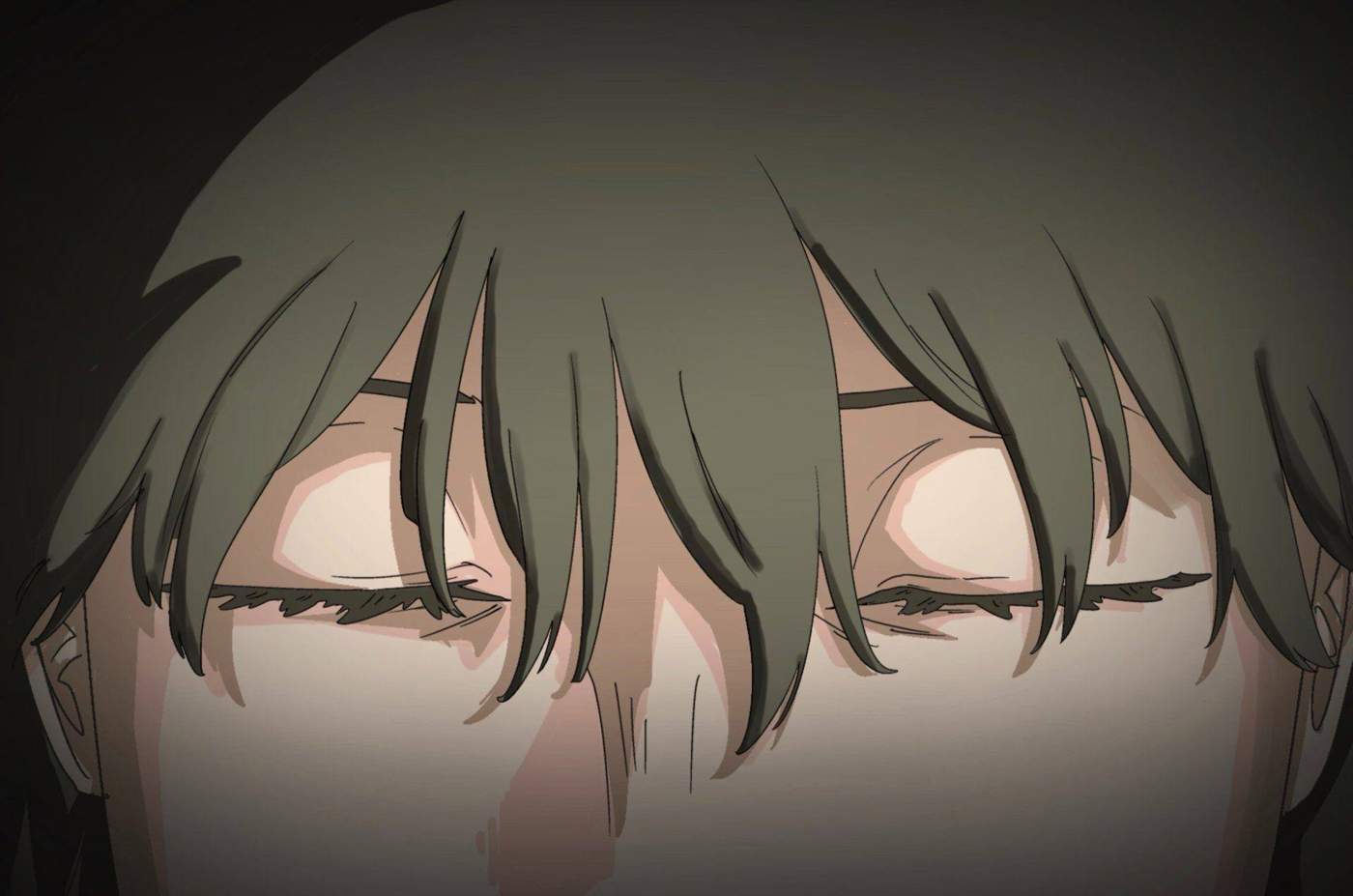
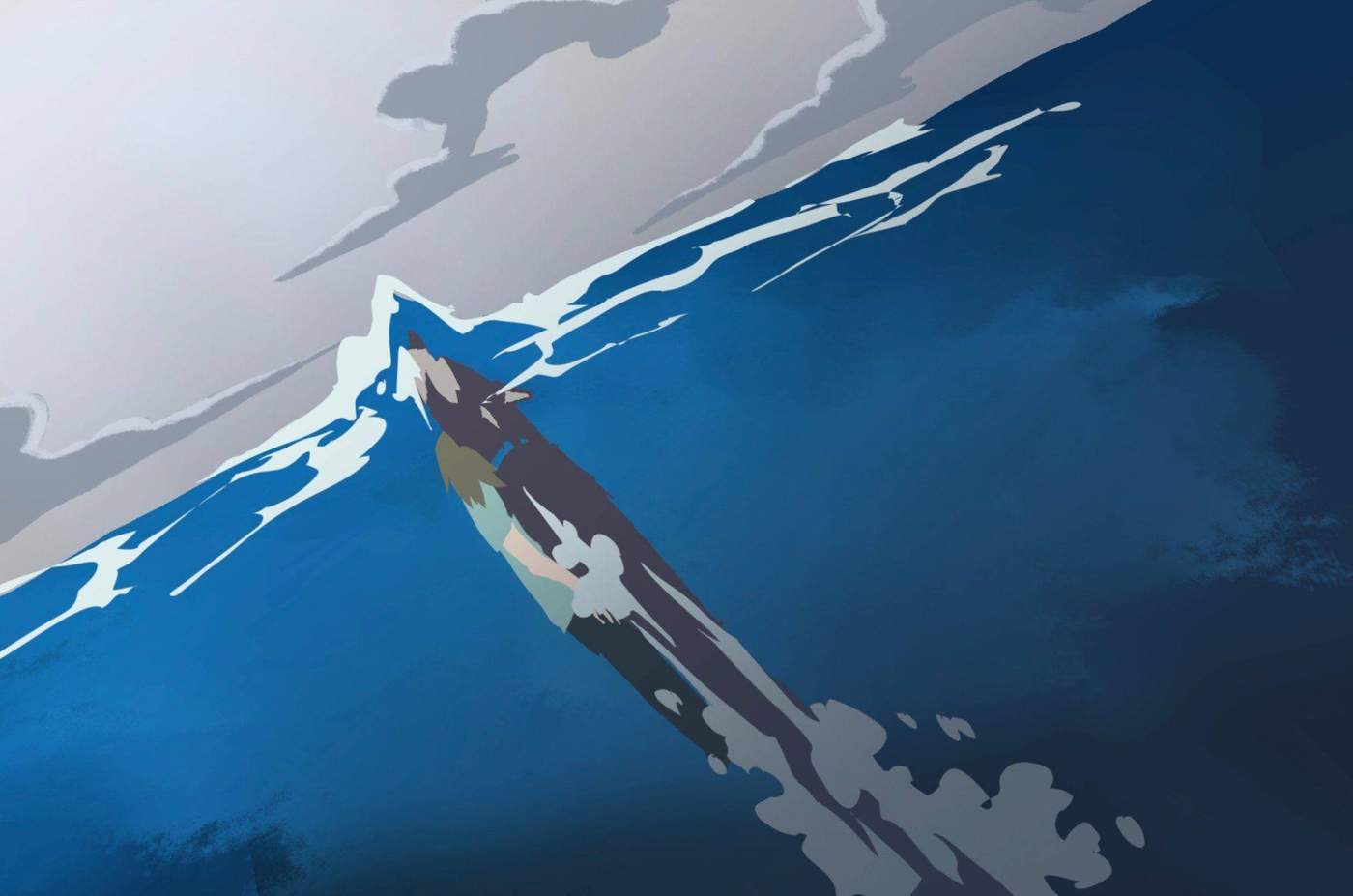
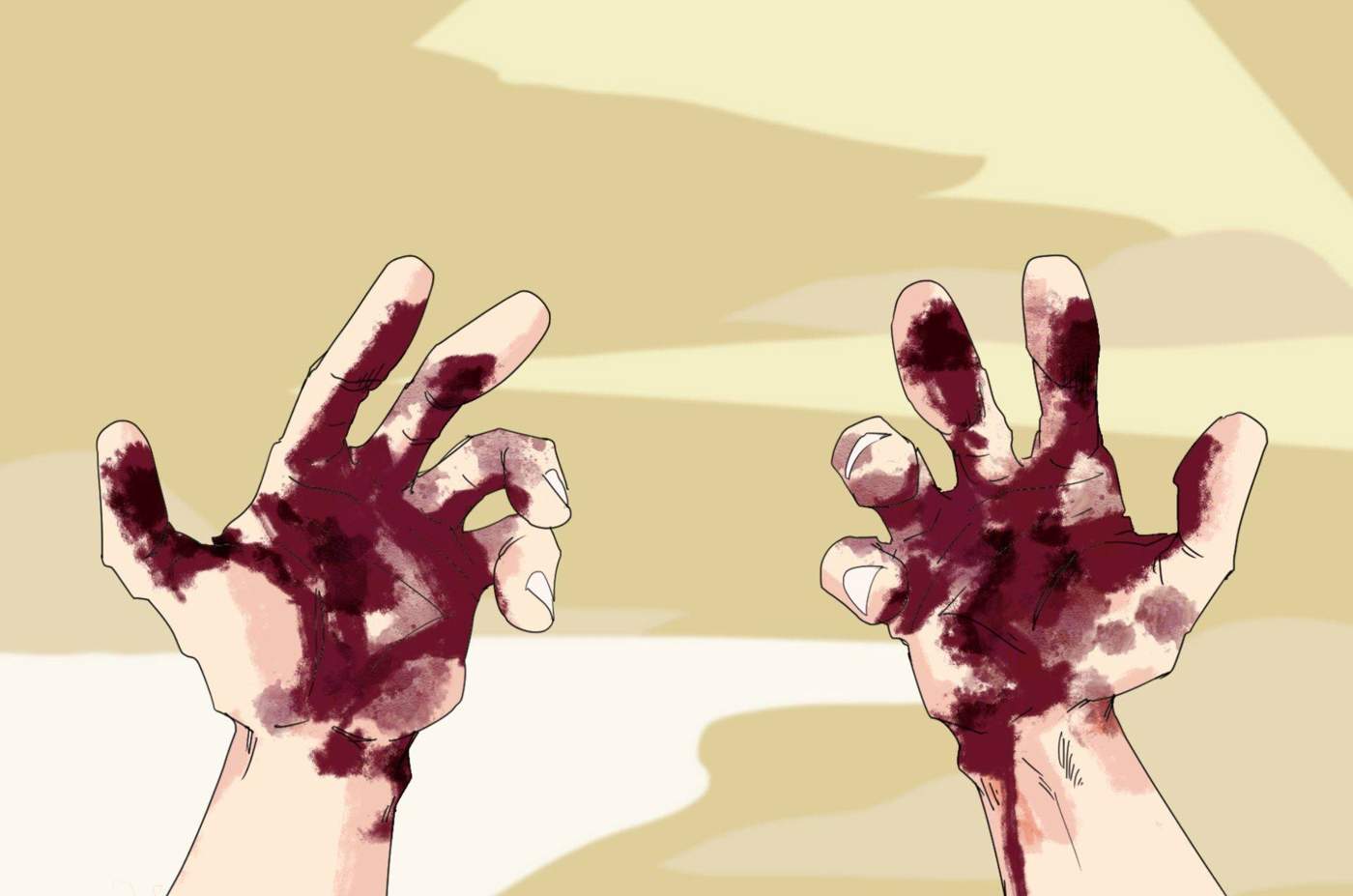
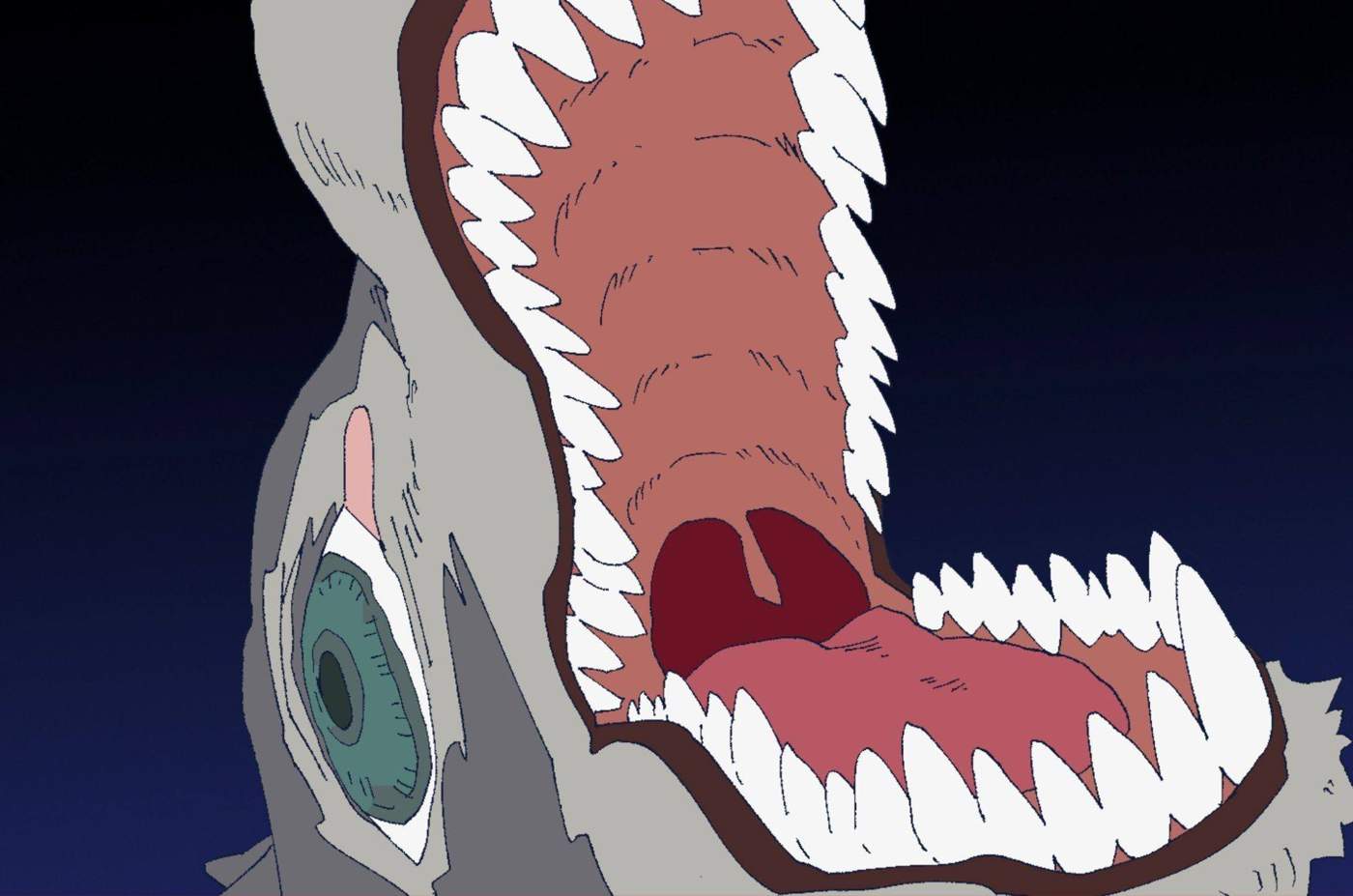
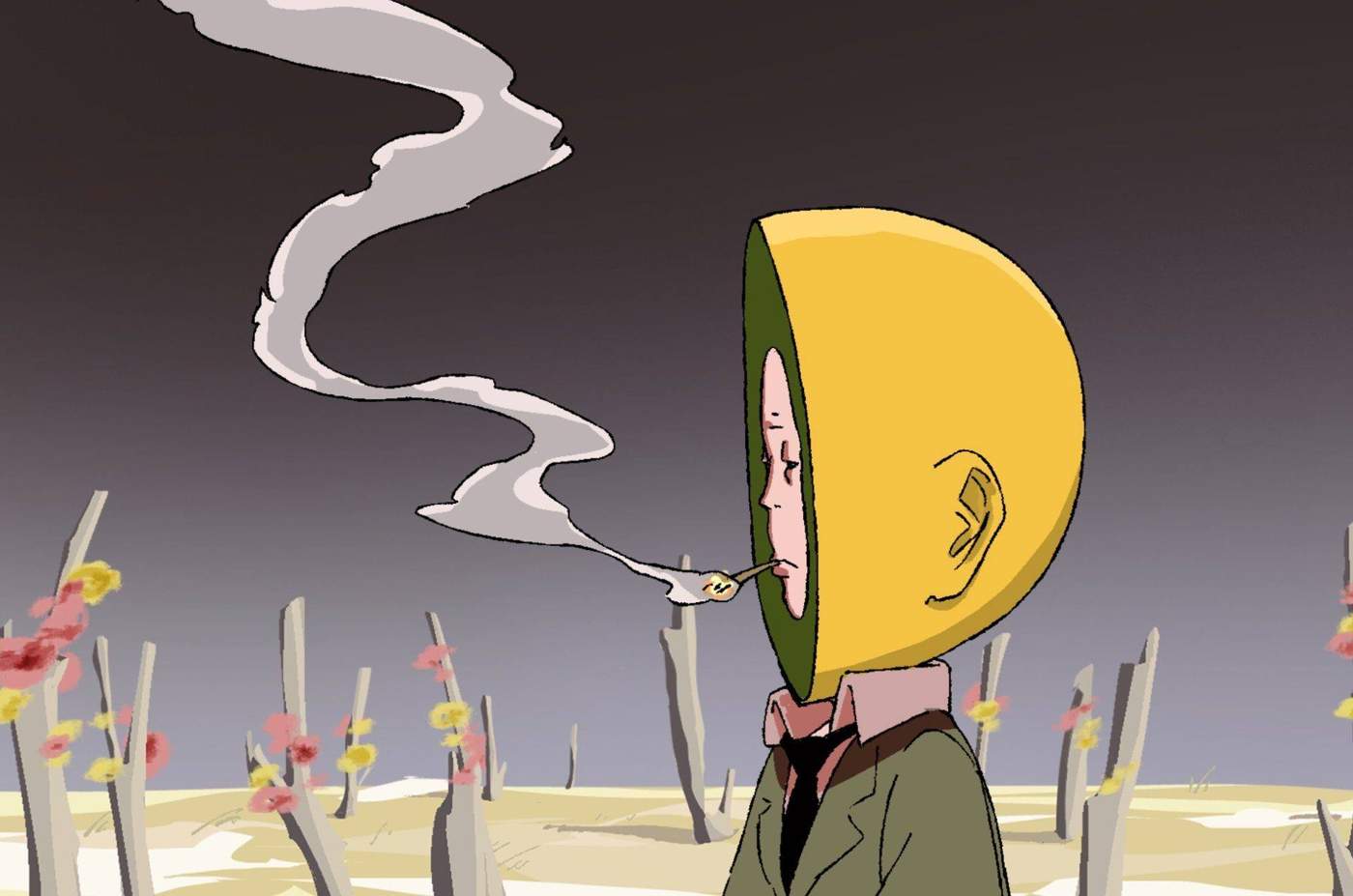
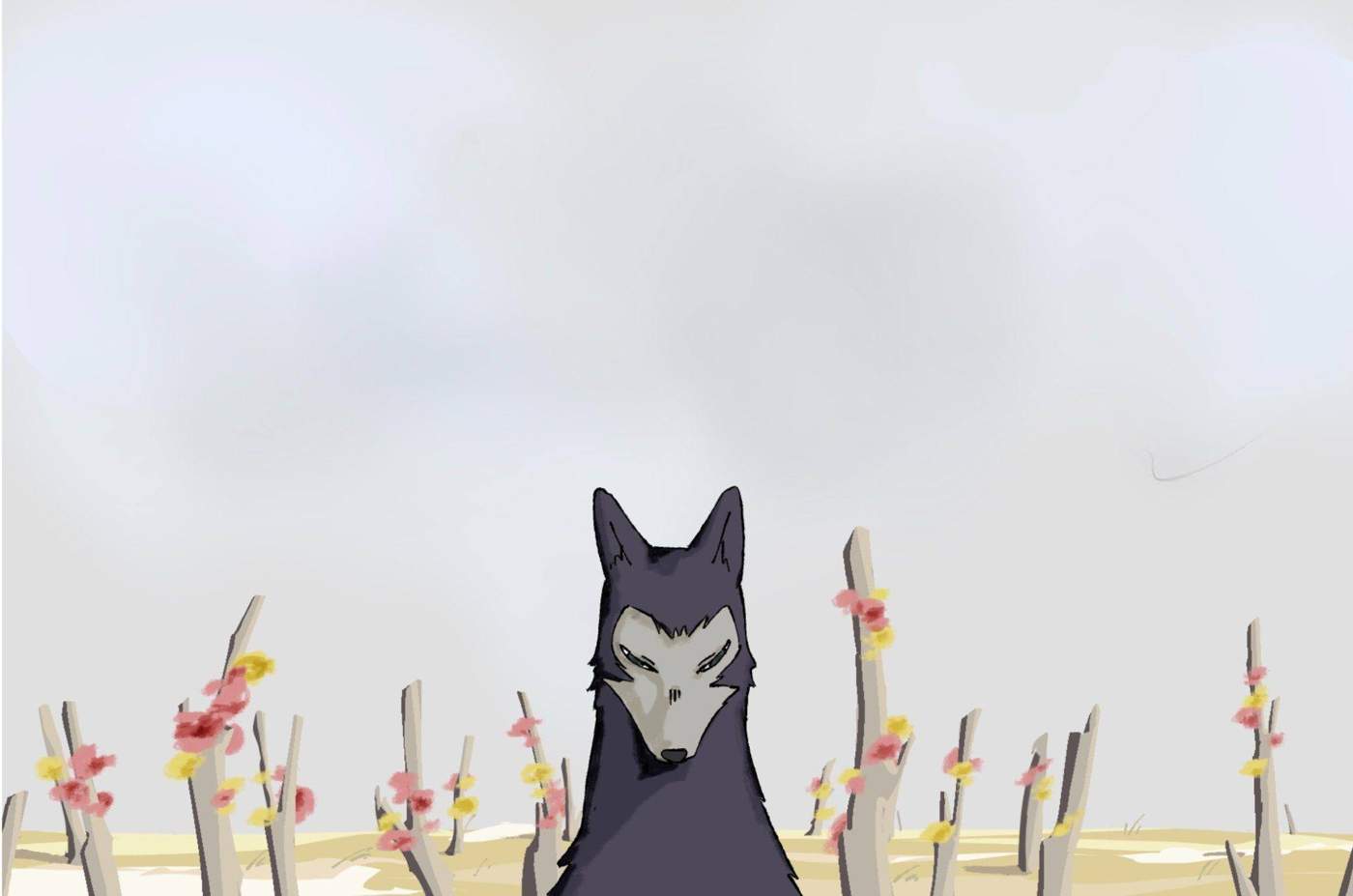
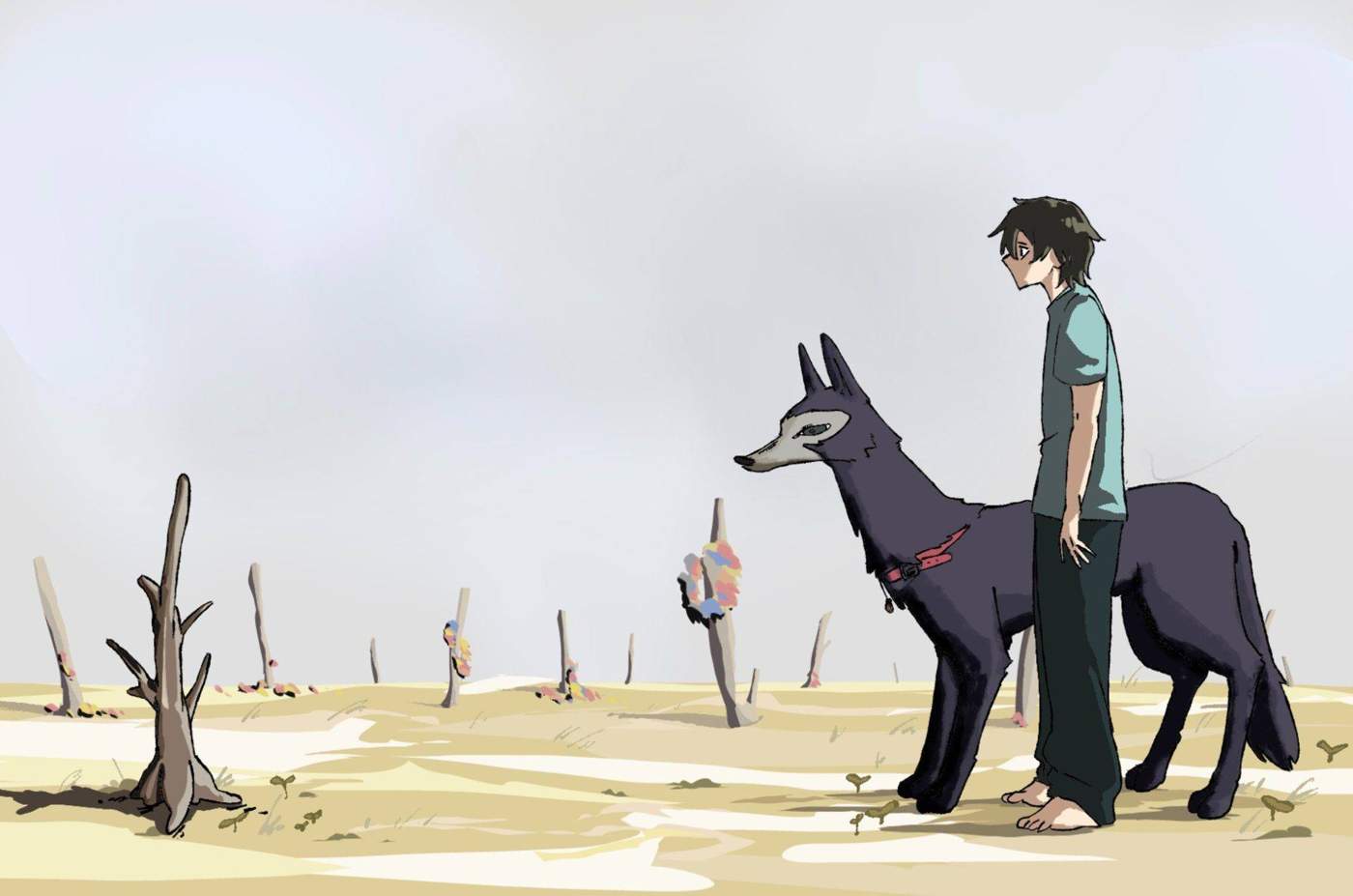
In a world where North no longer exists a boy drifts across nameless landscapes. What guides him, the shadows he follows, the light that disappears with time... each of them becomes a quiet answer, drawing him forward toward the next step of his journey.
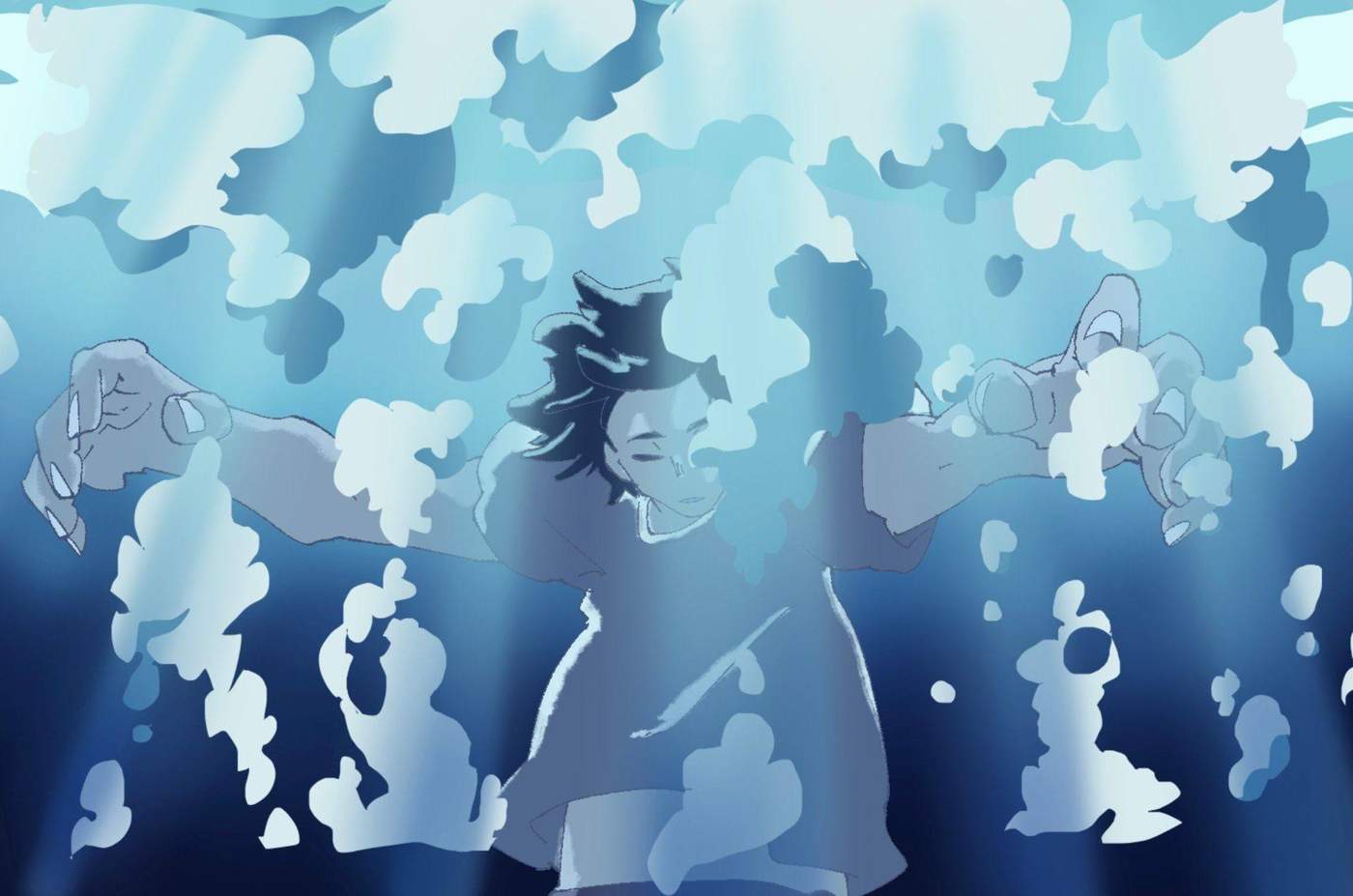
Selected stills
Clips from the project
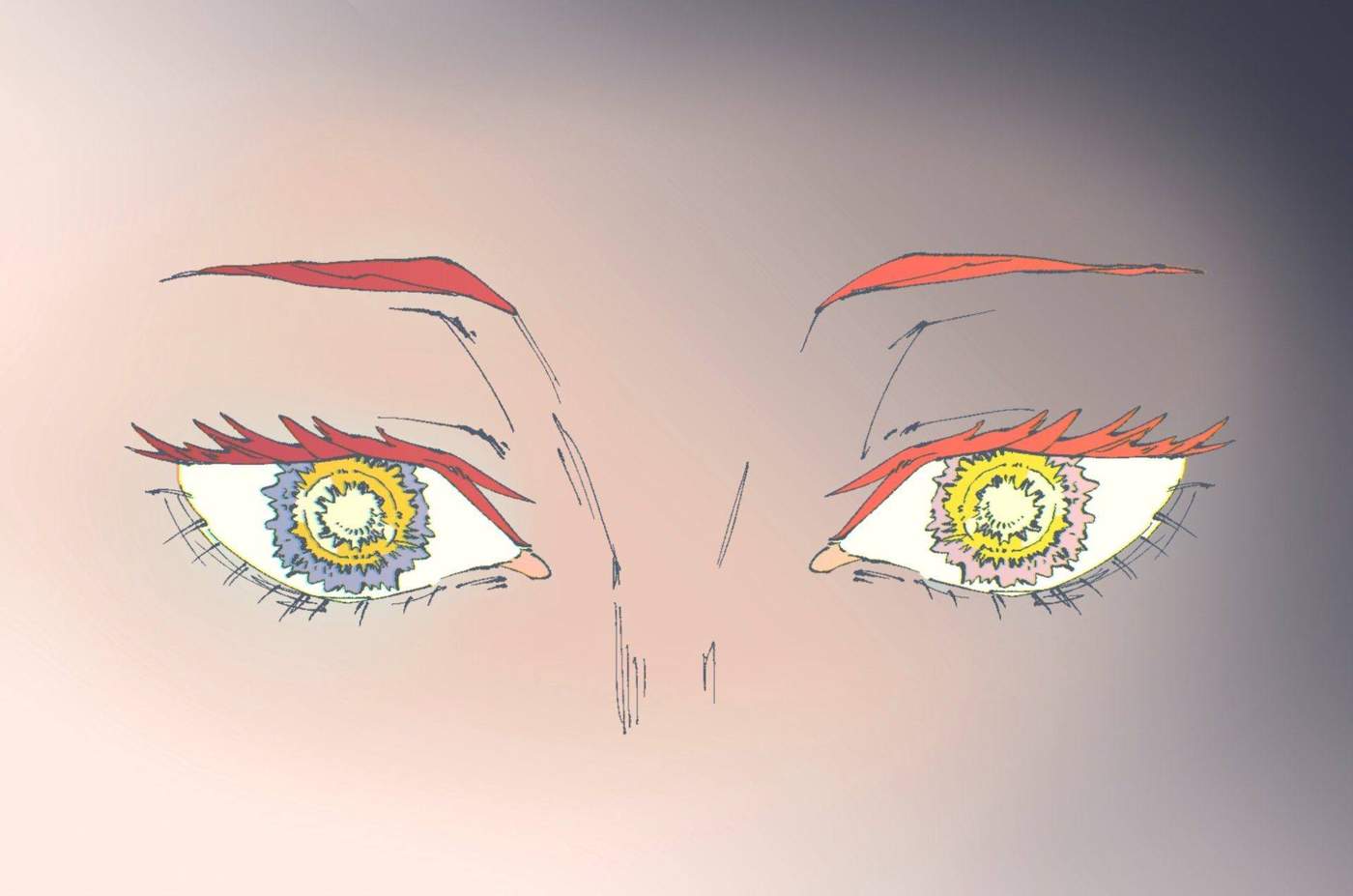
A selection of scenes and visual moments from After North.
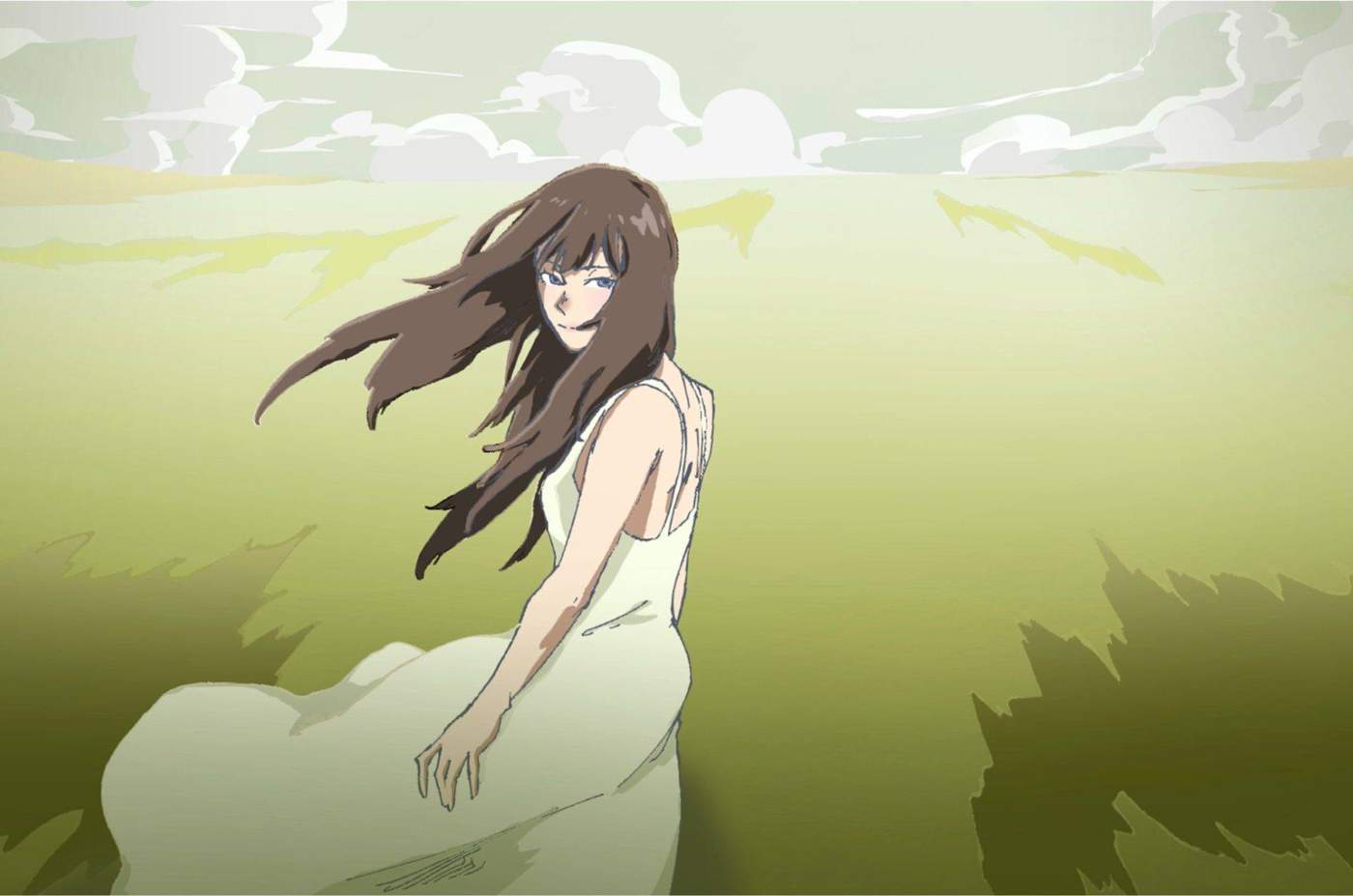
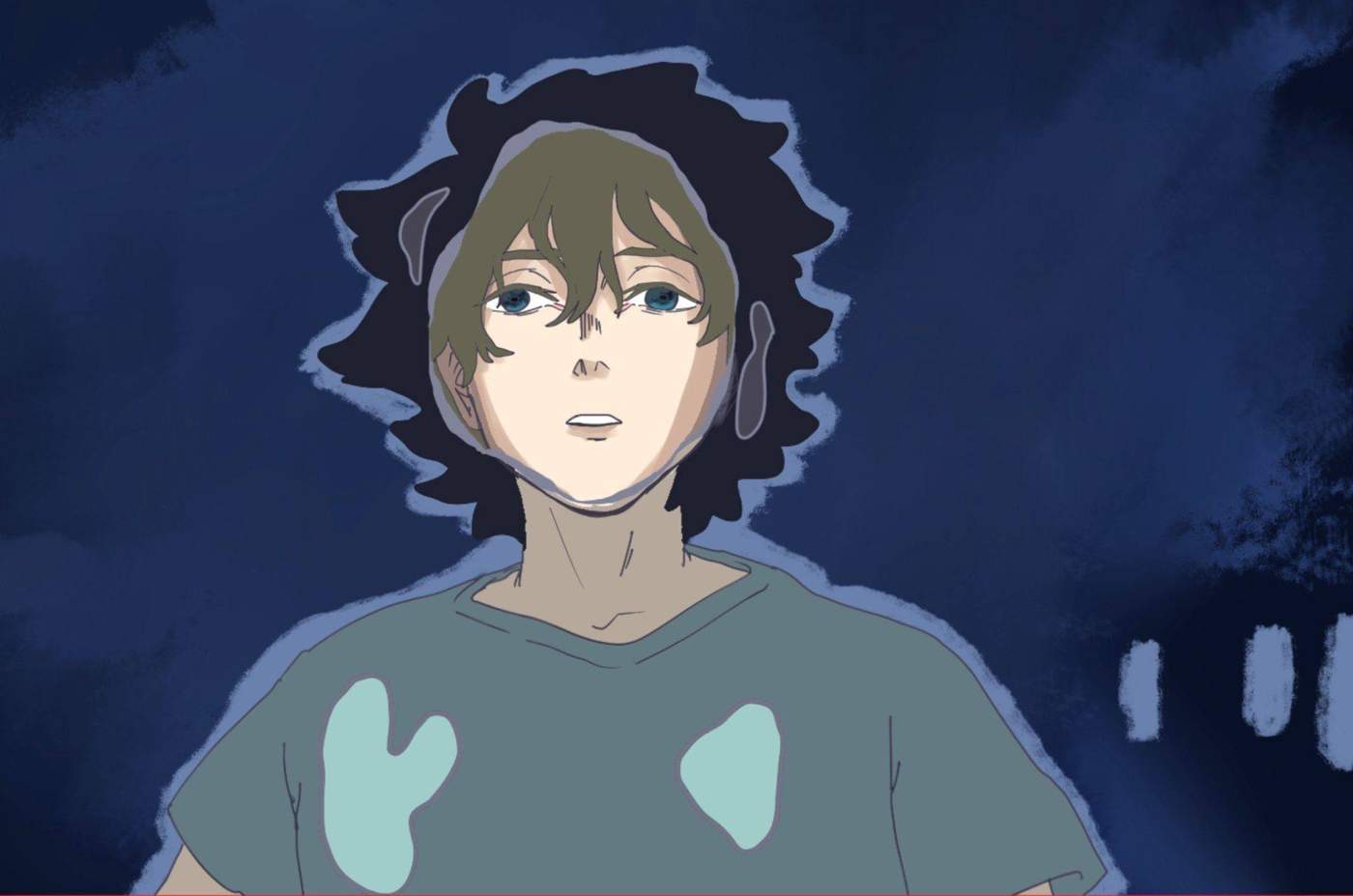
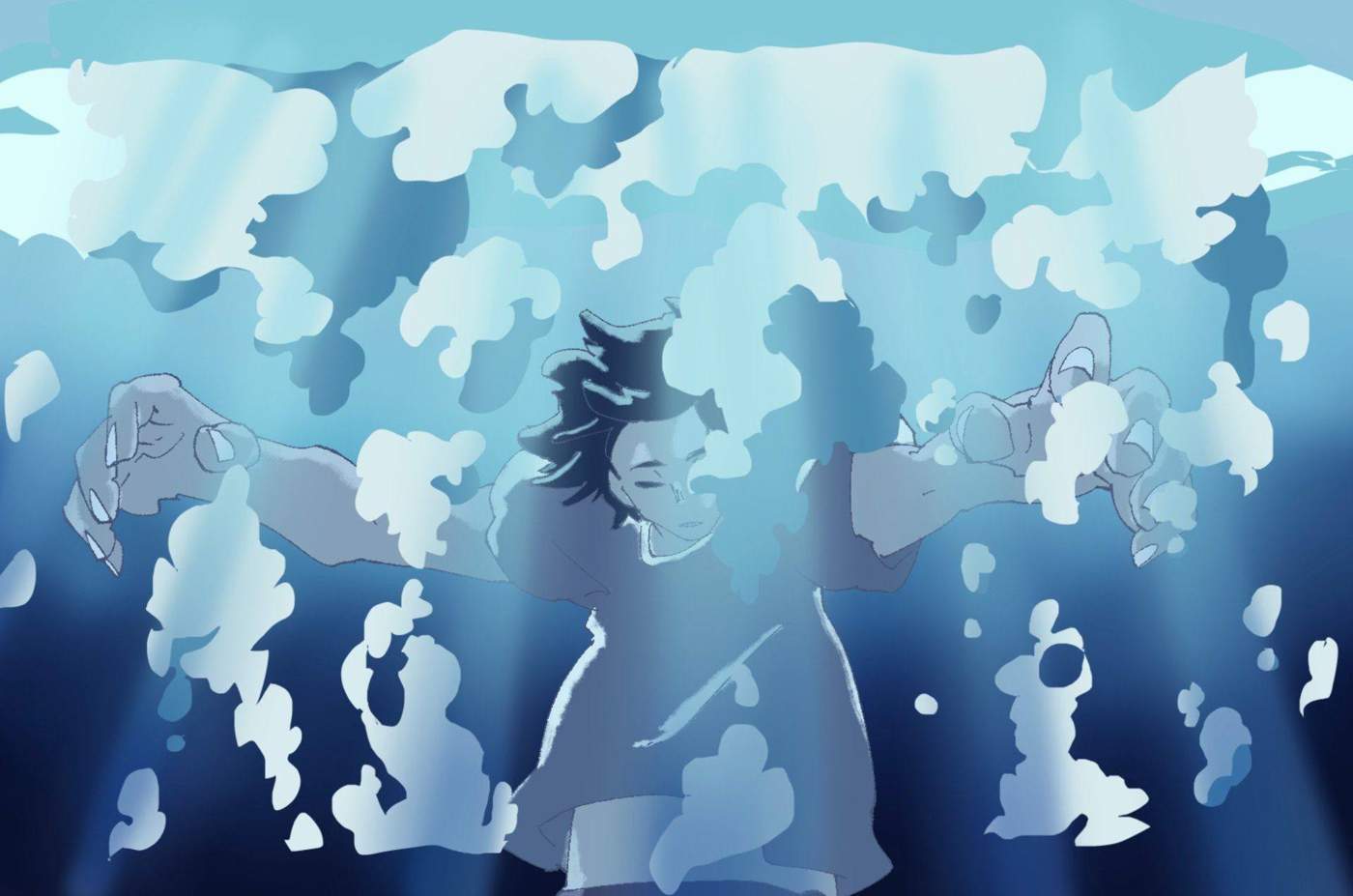
Animating Process
From storyboard to final animation
I started from a storyboard and used it to build a rough layout for each cut. That layout was then followed by the key animation process, where I added the main movements and defined the overall action.
In the final line art stage, I added more layers to smooth the motion and clean up each drawing. The last step was color. Usually I would continue into another program to balance and smooth everything further, but for this project I handled that process at the same time inside Clip Studio.
The workflow moved across several programs. I first made the storyboard (絵コンテ) in Procreate, then showed each panel for its decided timing in Procreate Dreams and built the layouts there. Once that was finished, I brought each cut into Clip Studio to finalize the animation, and then connected everything in Adobe After Effects.
The videos below show examples of this process in cuts C5 and C28, moving from layout to line art and into the final piece.
Process (C5)
First Sketch
Line Art
Final Piece
Process (C28)
Layout
Line Art
Final Piece
Character development
Story, character design, and visual development
The material below expands on the characters, the symbolic dog, and the visual thinking that shaped the film’s emotional structure.
The story centers on a quiet, introverted boy who slowly builds up the courage to confess his feelings to a girl he loves. In the instant he finally tells her, an accident interrupts everything and leaves both of them gravely injured. The boy falls into a coma, while the girl does not survive.
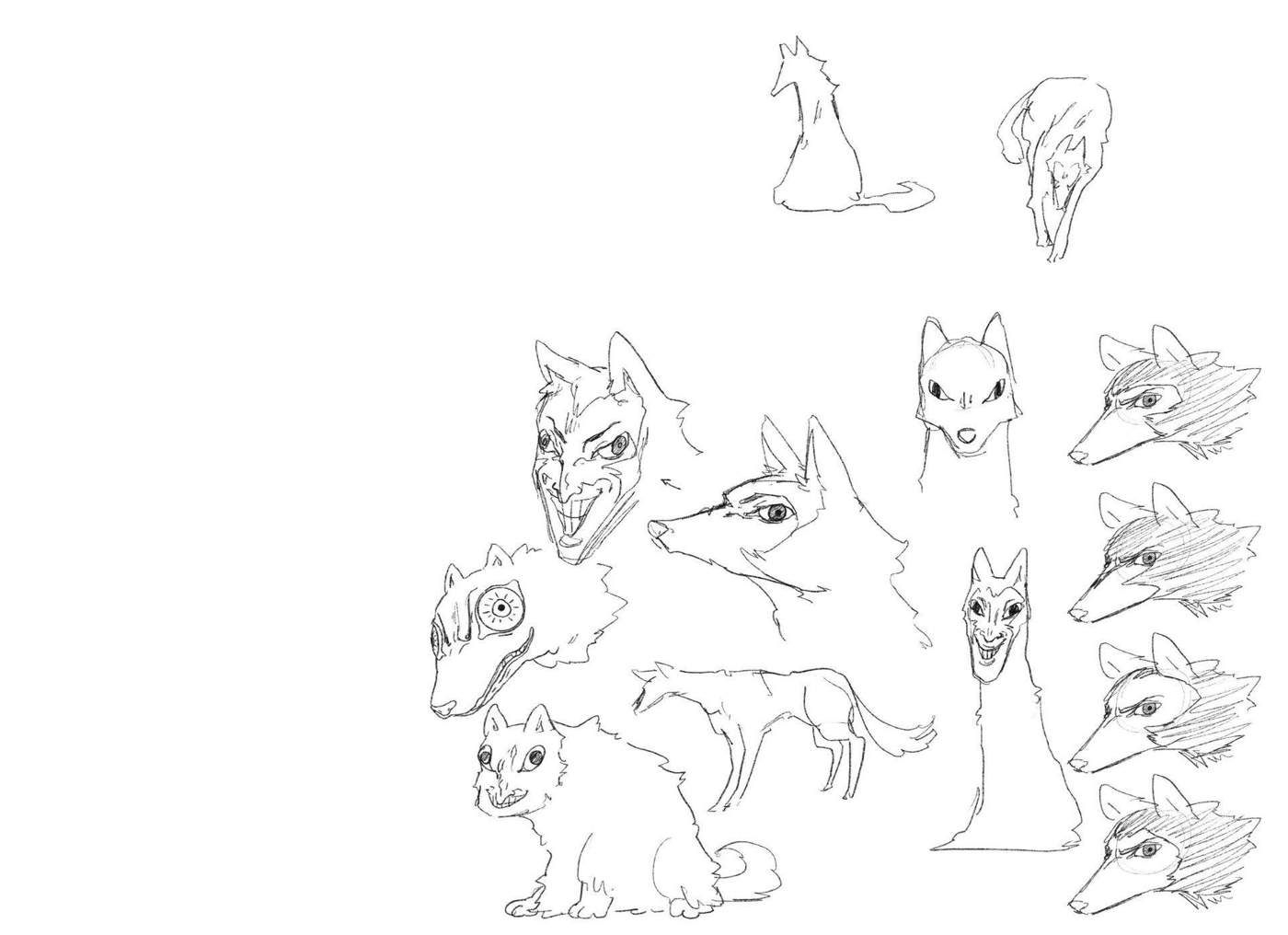
The film begins inside the boy’s mental realm, where memory, fear, and grief are transformed into a dream world. A dog appears and guides him forward. This dog is not only a creature within the dream, but a subconscious recreation of the girl herself, trying to lead him back to life.
As he follows the dog, the boy slowly understands the truth of what happened. He is then confronted by a deeper part of himself that wants to keep him in a painless world where he never has to face loss. The journey becomes a struggle between emotional retreat and acceptance, ending with his decision to return to reality and continue living without her.
Character overview
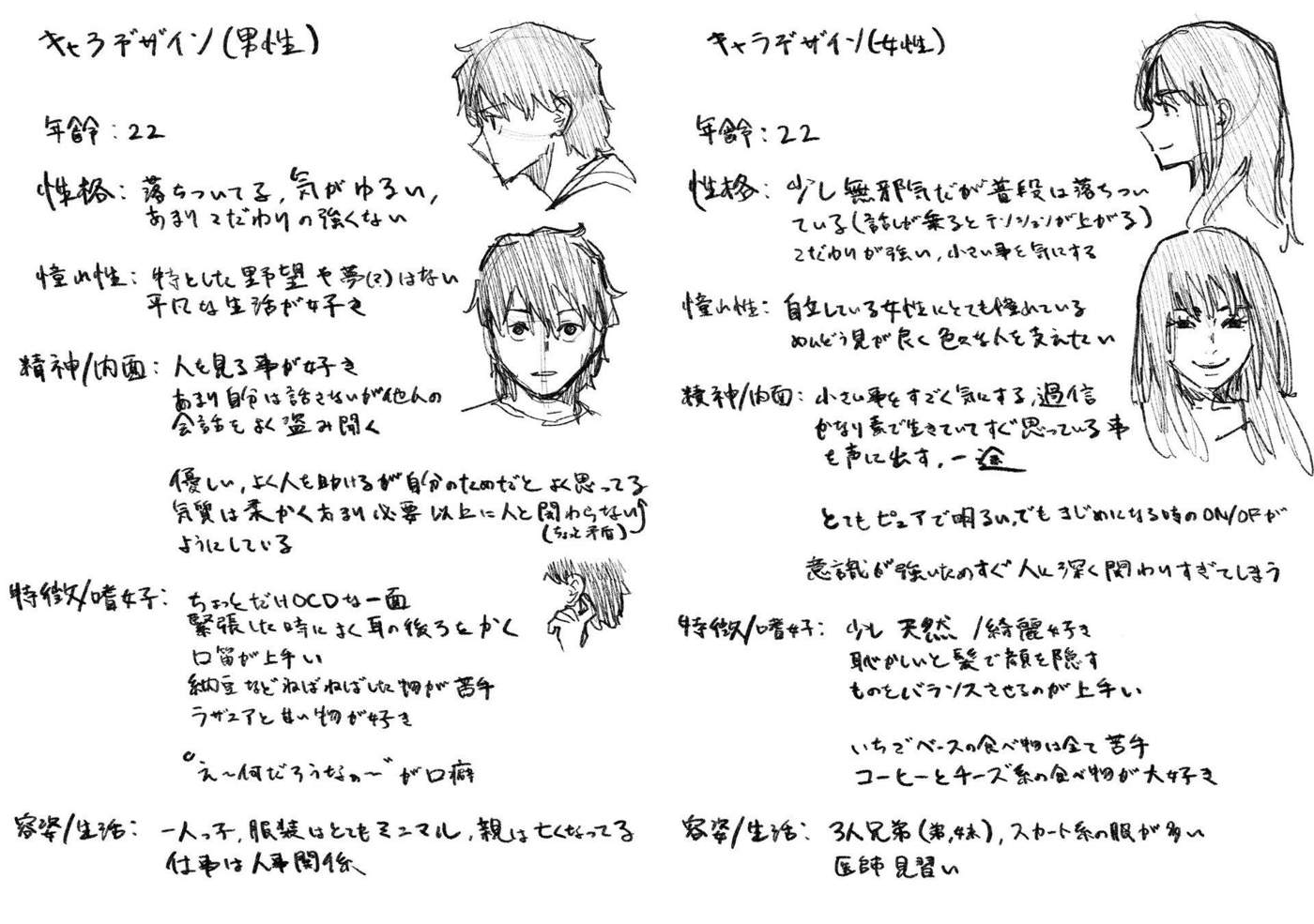
The boy was designed as an inward and restrained character, with posture and expressions that feel guarded, hesitant, and emotionally compressed. The girl was developed as a softer and more open presence, giving the relationship a sense of warmth that lingers even after she is gone. The dog carries that same emotional role into the dream world, becoming a guide shaped by memory, care, and subconscious longing.
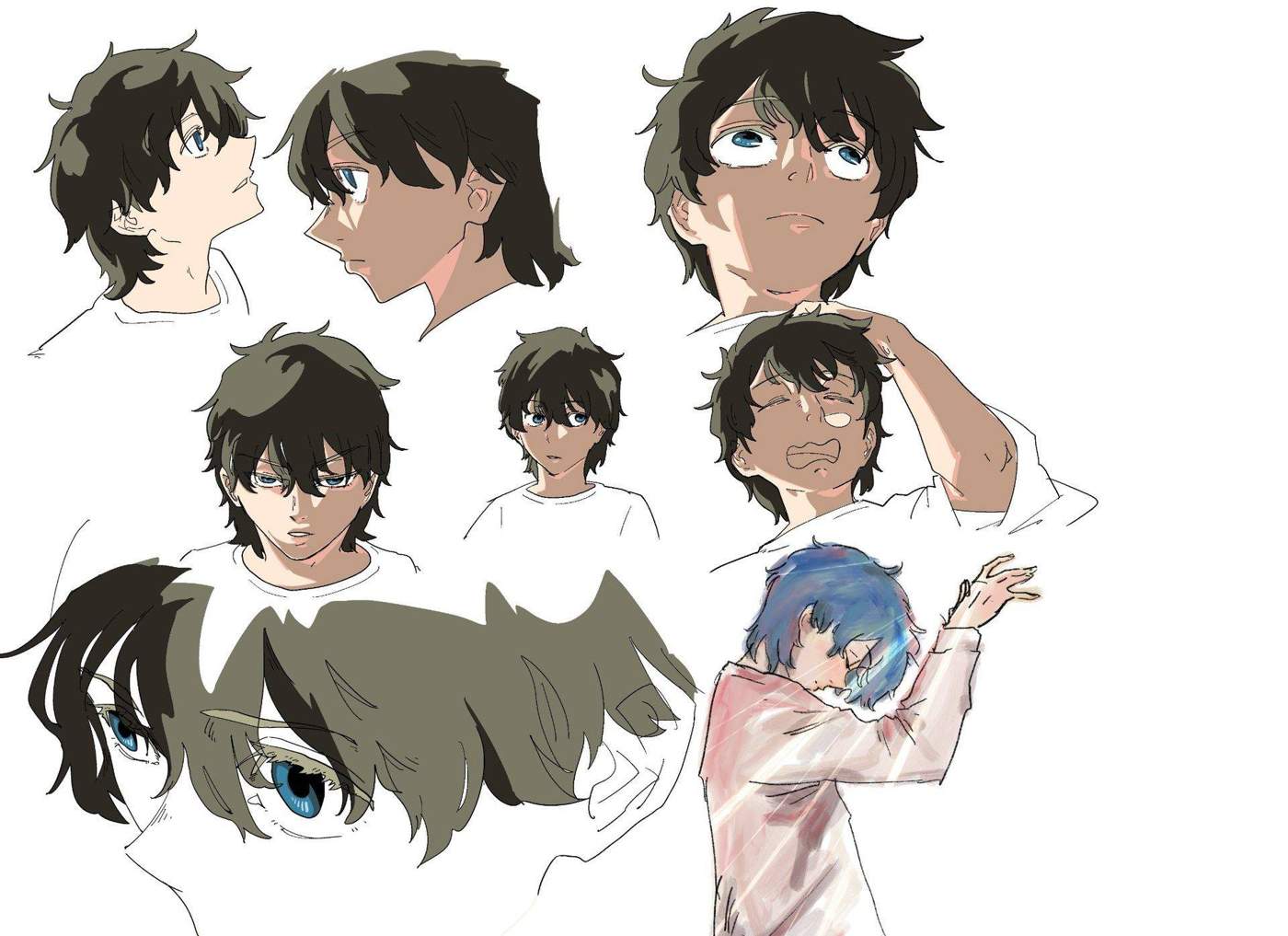
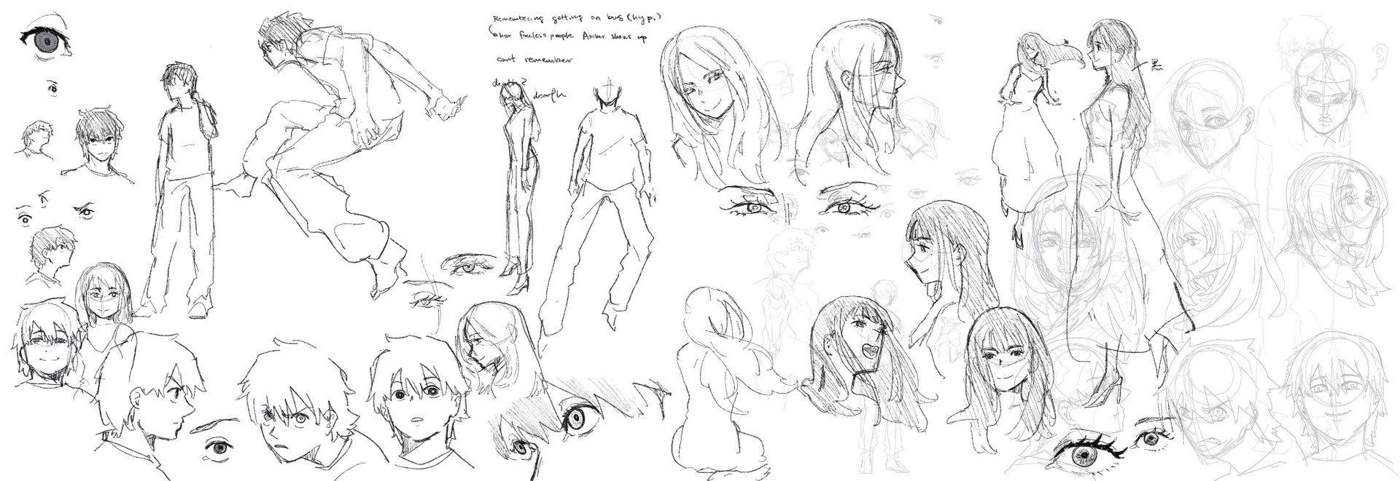
Exploring the boy’s personality
These studies focus on expression, gaze, and body language. Rather than pushing the design toward exaggerated acting, the process looks for smaller shifts in mood that support a more introverted lead. The rougher sketches search for vulnerability and tension, while the cleaner studies test how that emotion translates into the final film language.
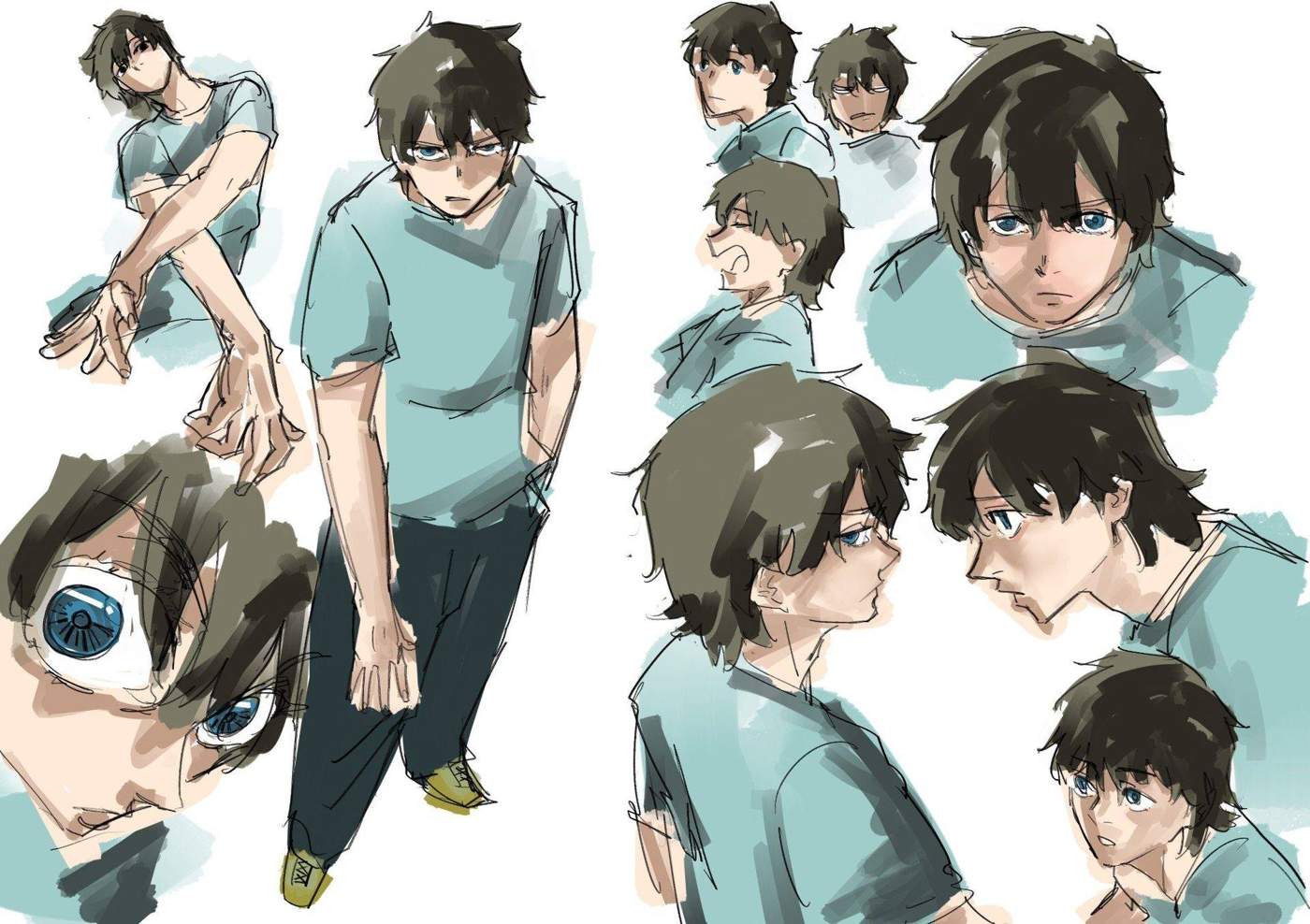
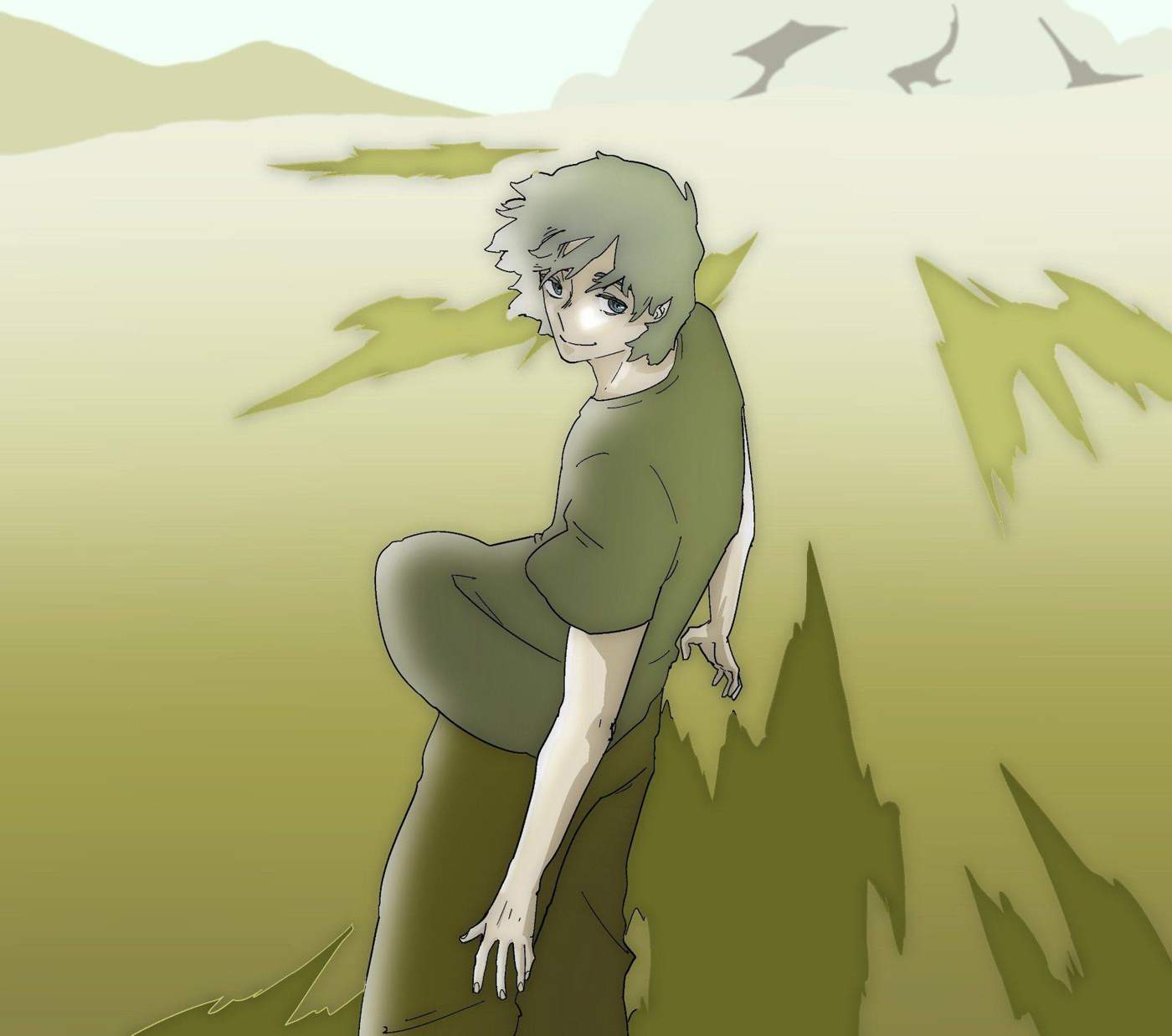
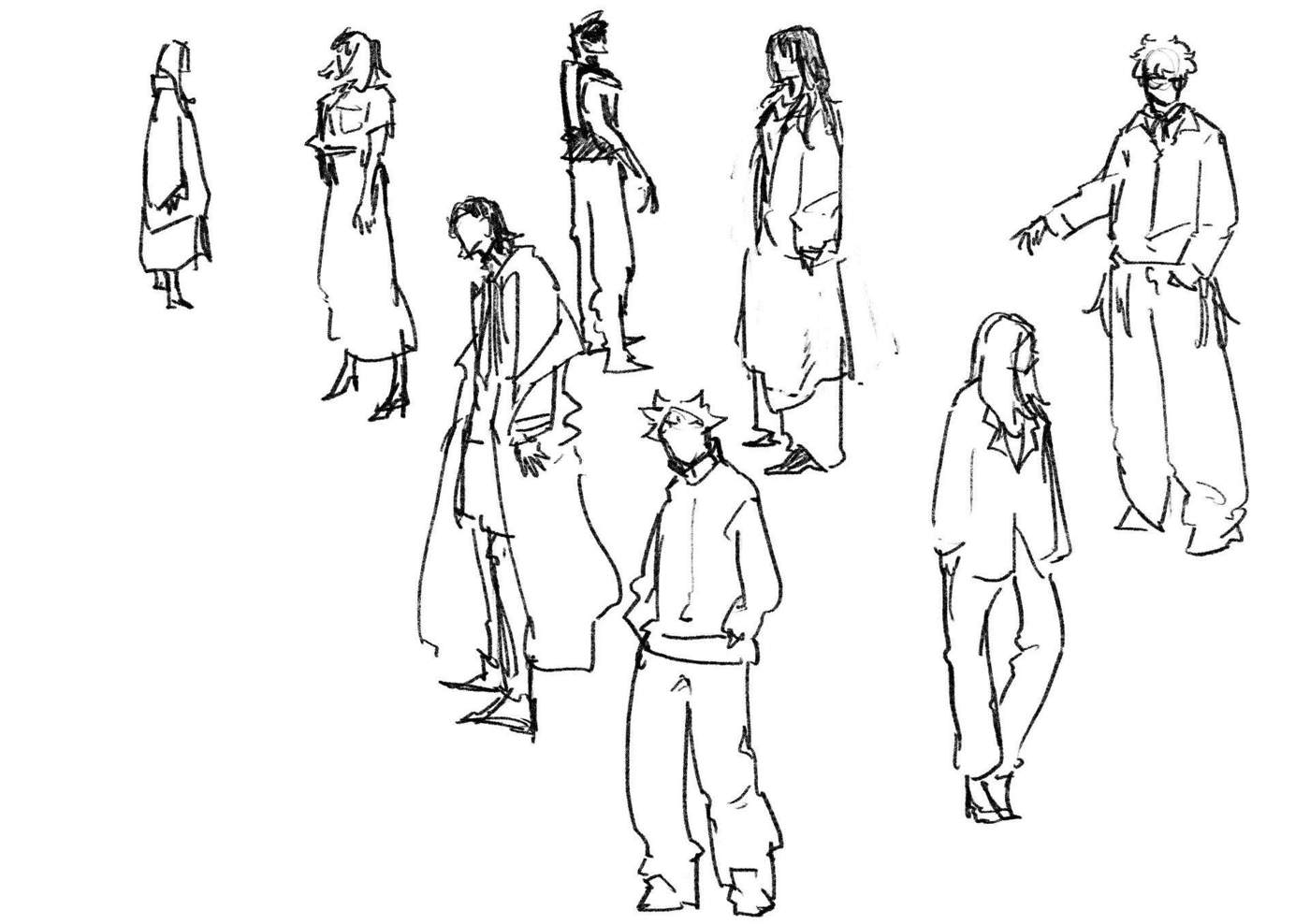
Costume, staging, and gesture process
The design process then expands into silhouette and staging. Clothing, proportion, and pose studies help define how the characters feel in space, while the broader sketch pages begin testing emotional beats, composition ideas, and scene fragments. Together they bridge character design and narrative planning.
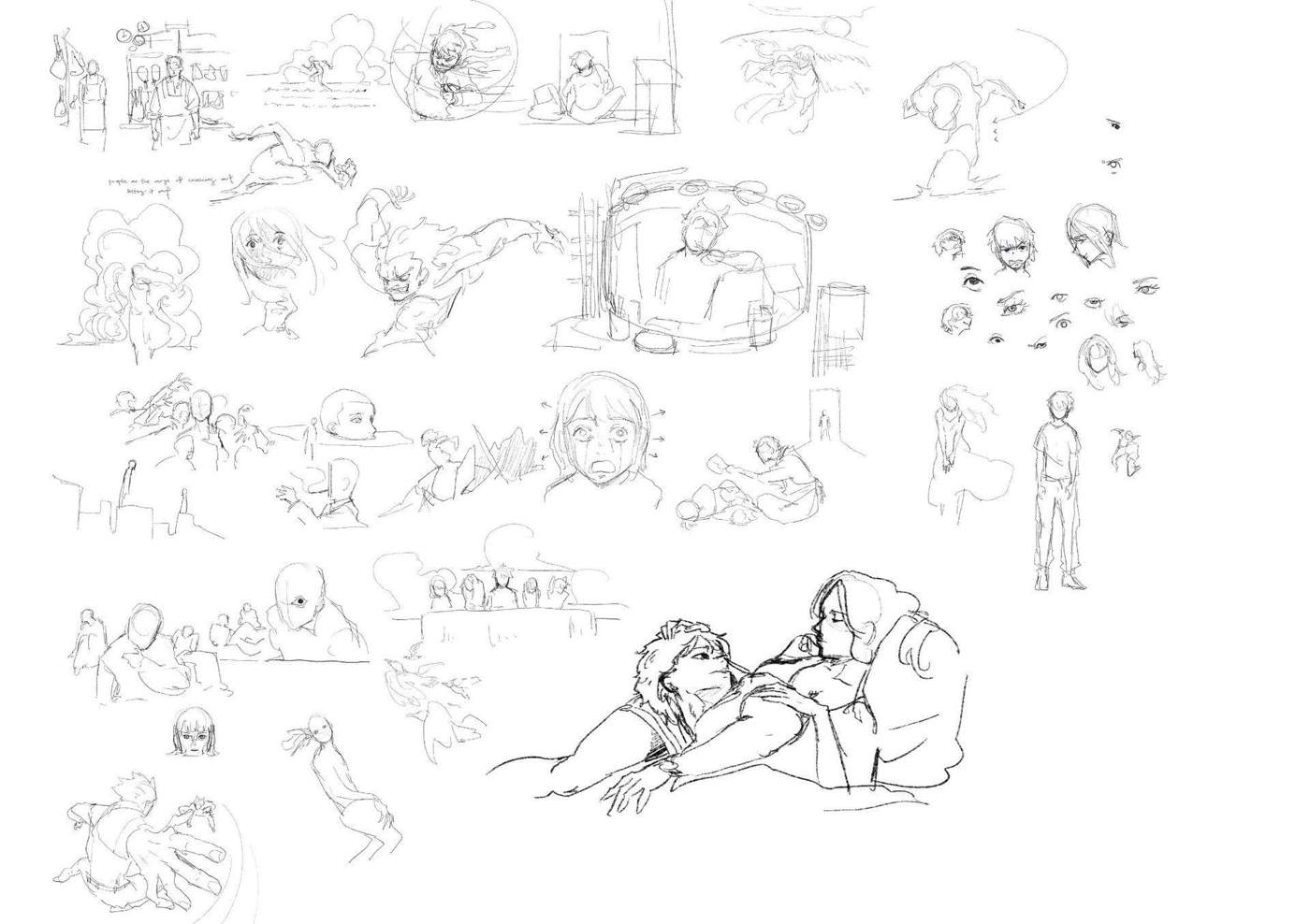
Designing the dog as a guide
The dog serves as a guide through the boy’s dream world and functions as a subconscious echo of the girl. These drawings explore a range of expressions, proportions, and levels of realism, searching for a design that feels both protective and uncanny. The final role of the dog is emotional rather than literal: it is a memory trying to pull him back toward life.
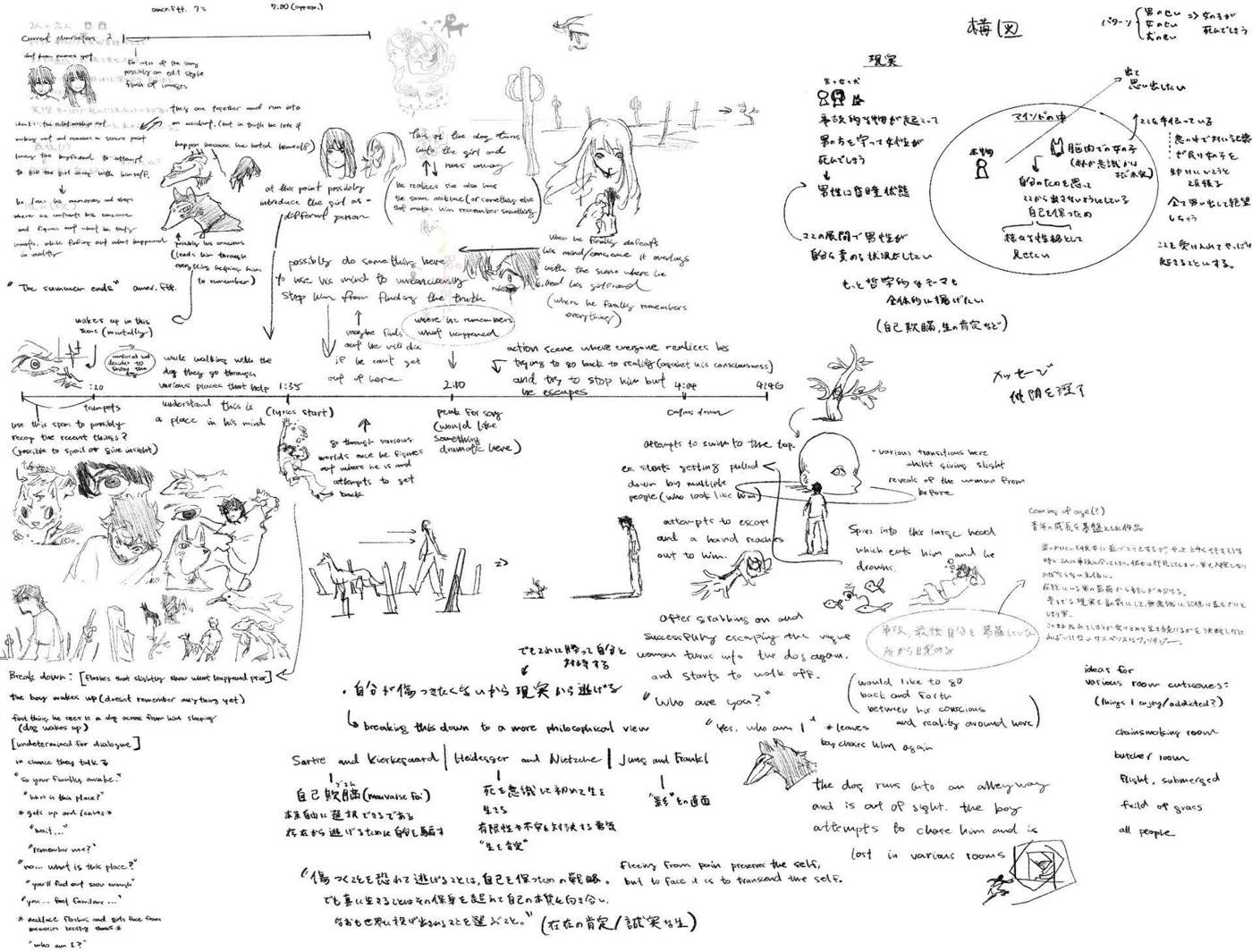
Story process and structure
These larger development boards map the project’s emotional and narrative arc. They connect the confession, the accident, the coma dream, the dog’s guidance, and the eventual confrontation with the part of the boy that wants to stay hidden from grief. The sequence planning shows how the project moved from character sheets and rough sketches into a more cohesive short-film structure.
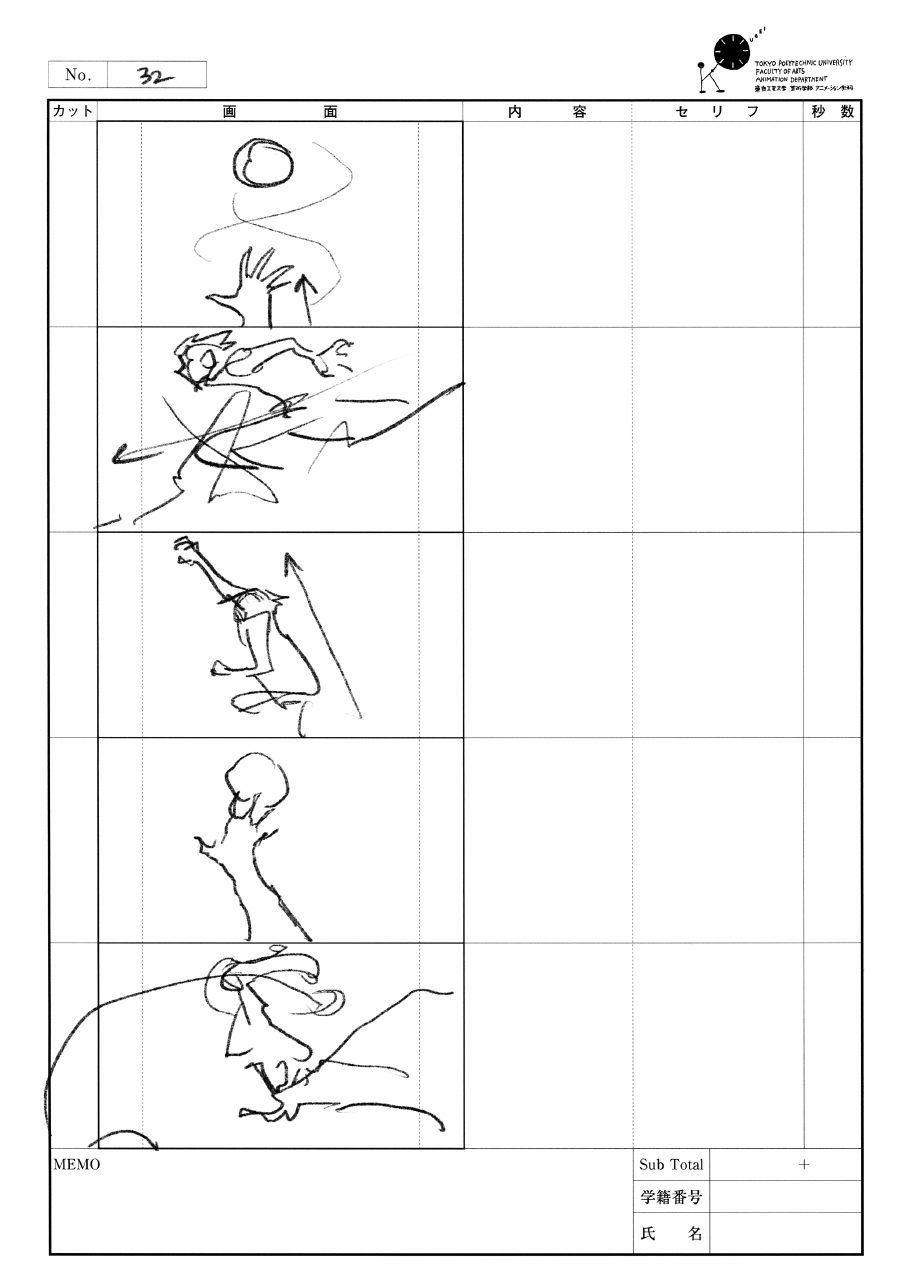
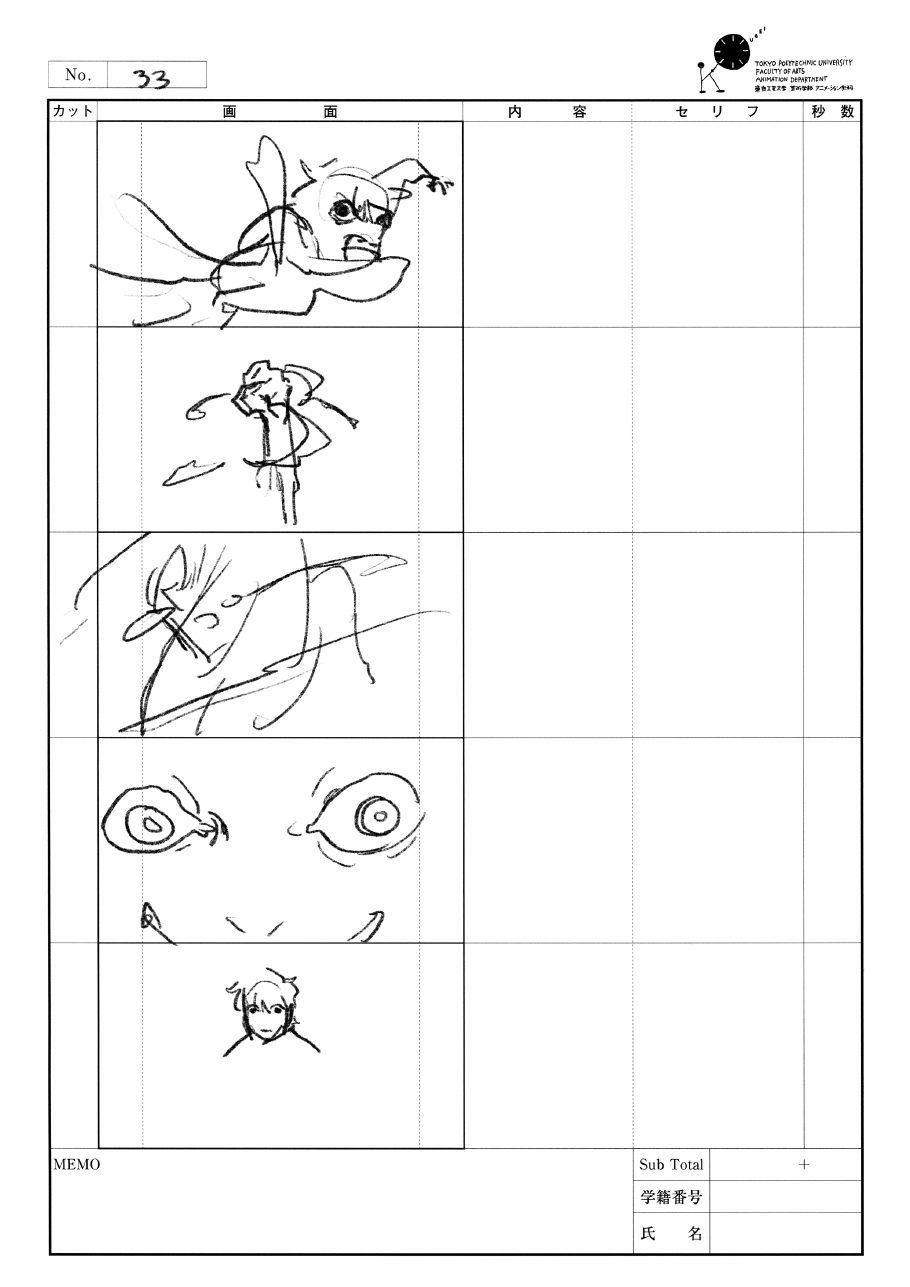
Storyboard
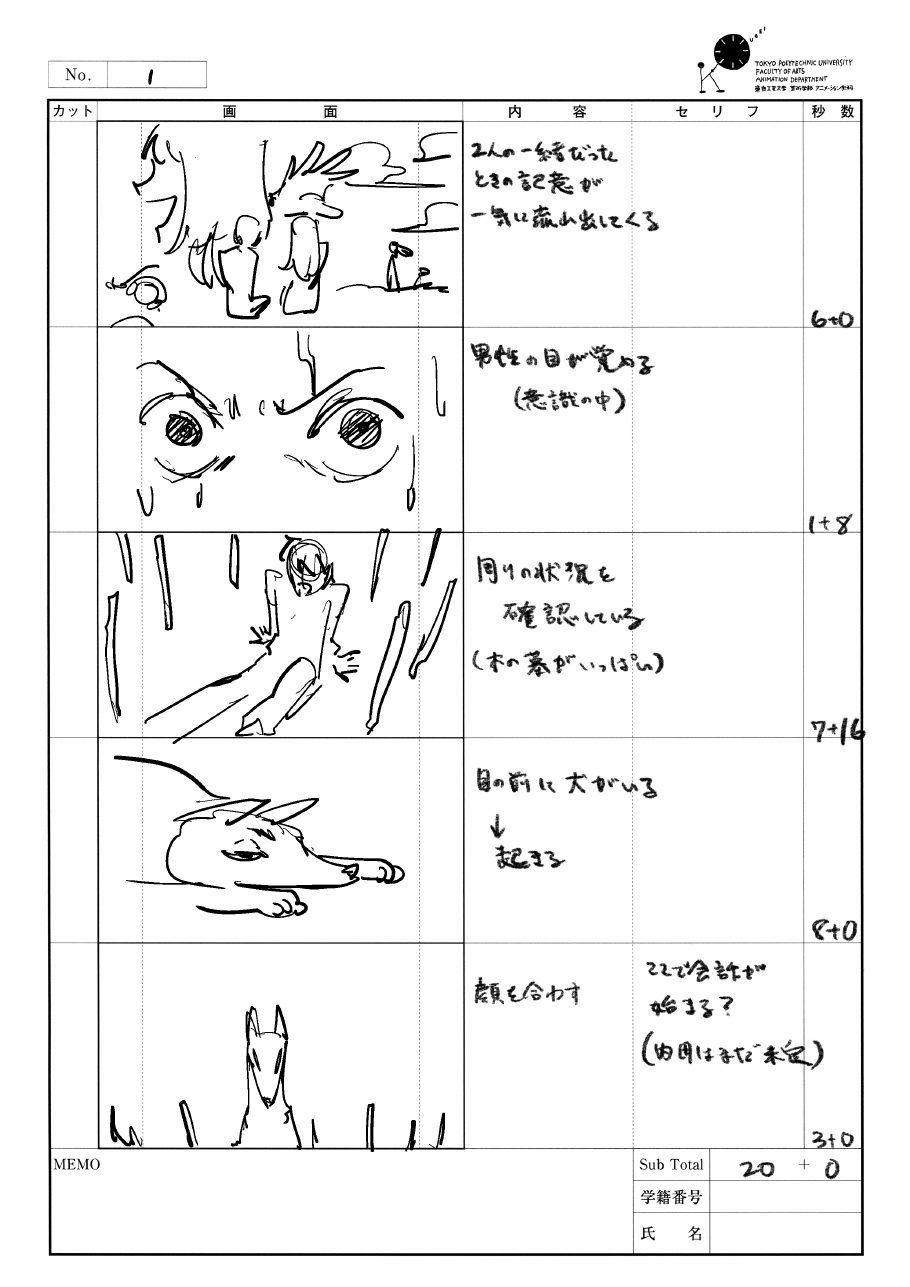
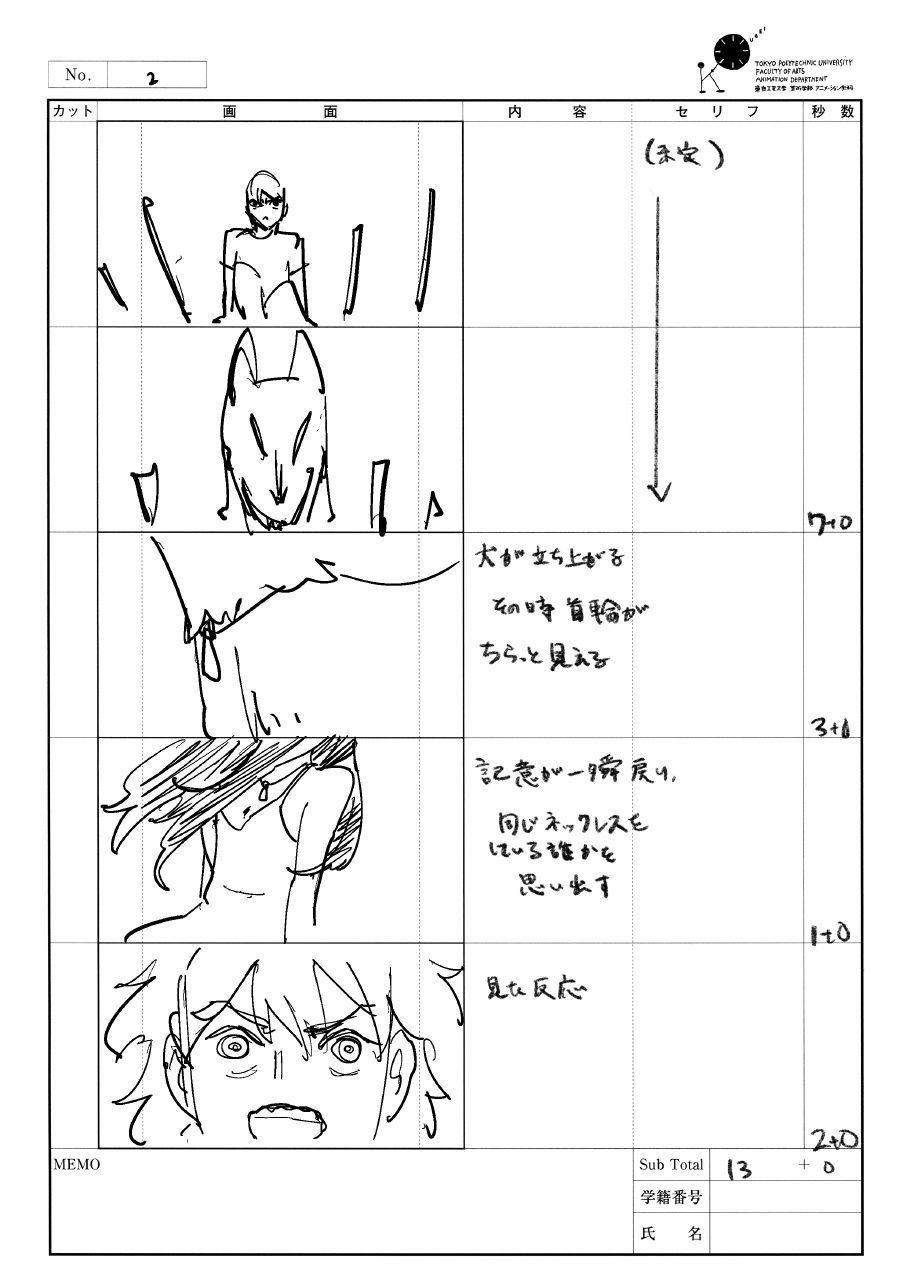
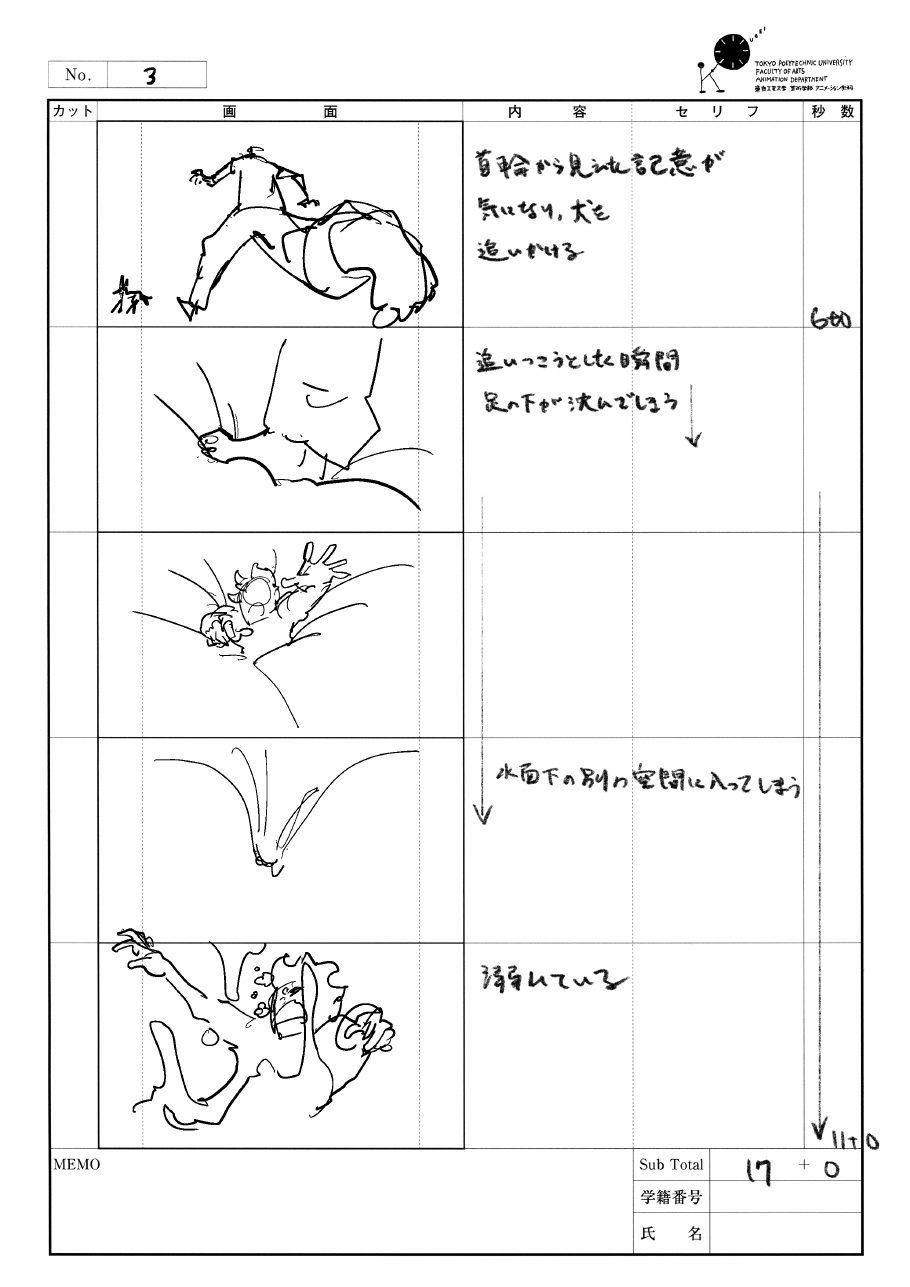
Storyboard development
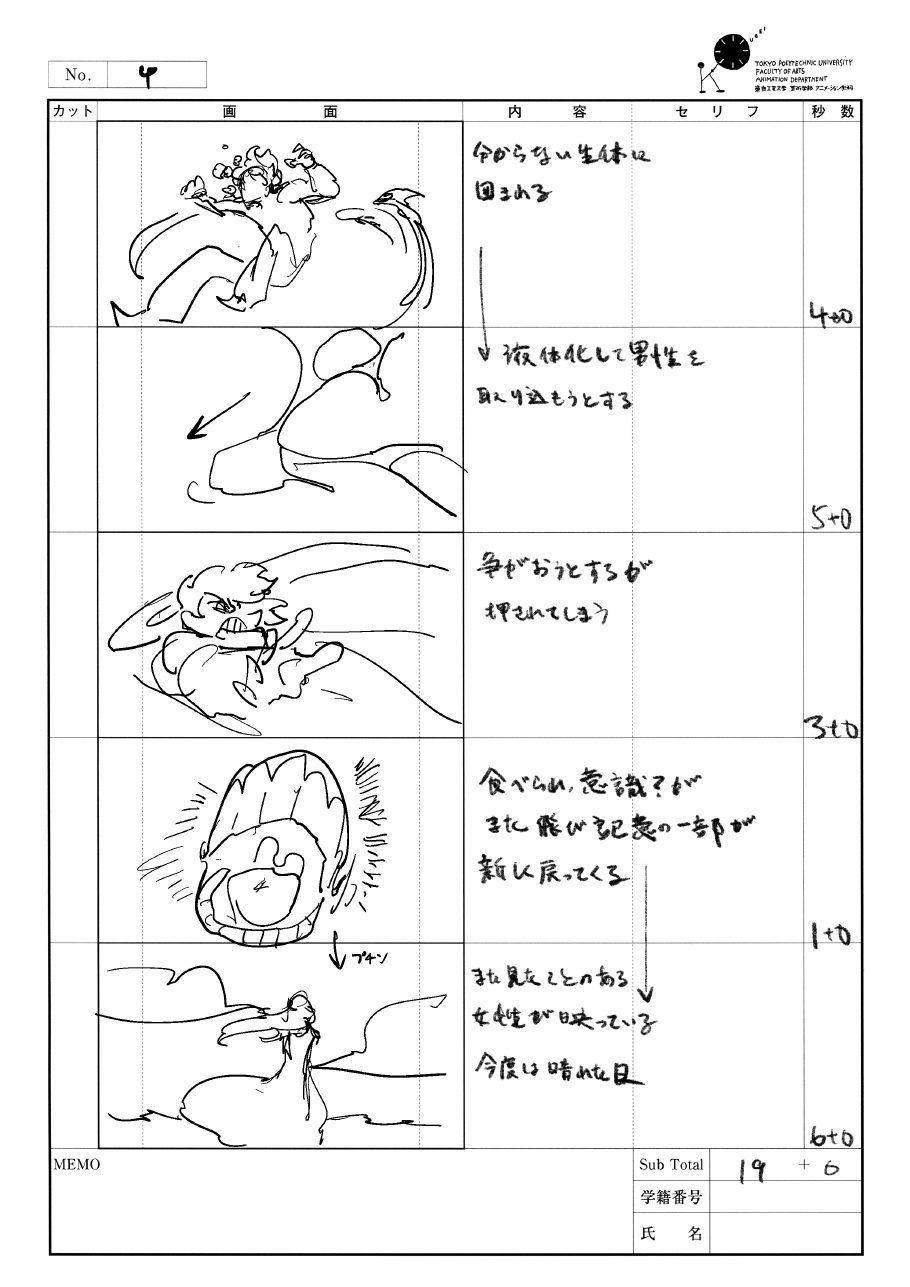
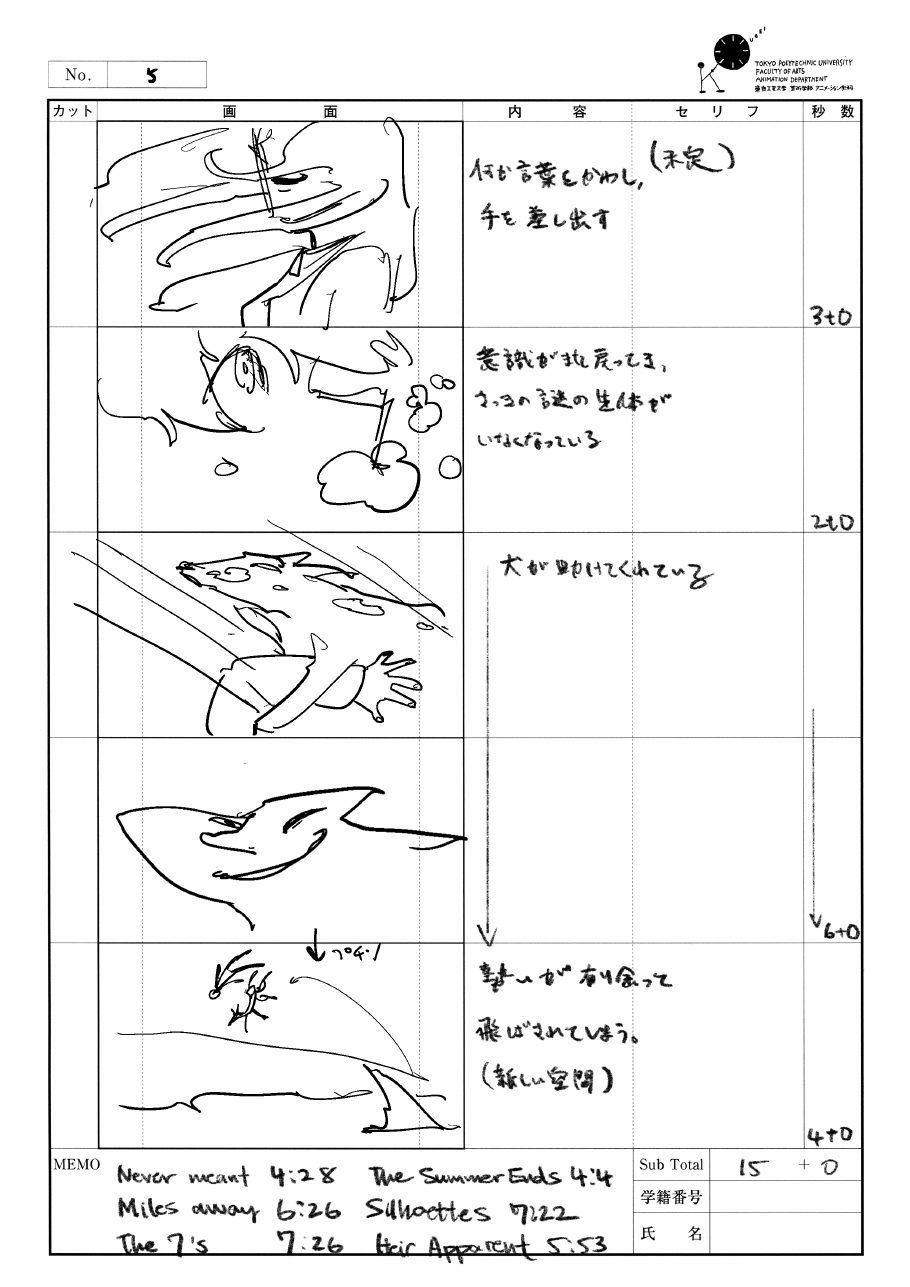
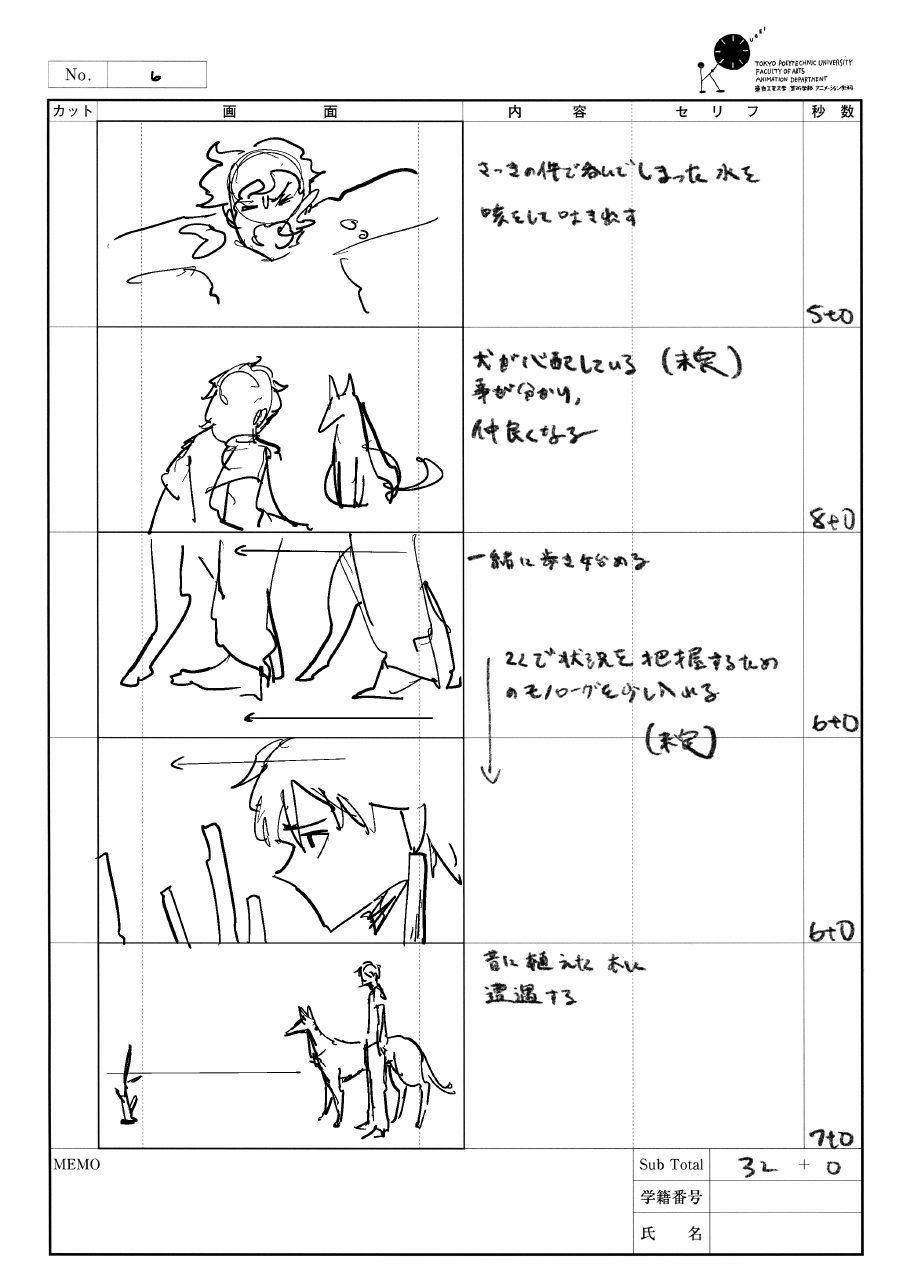
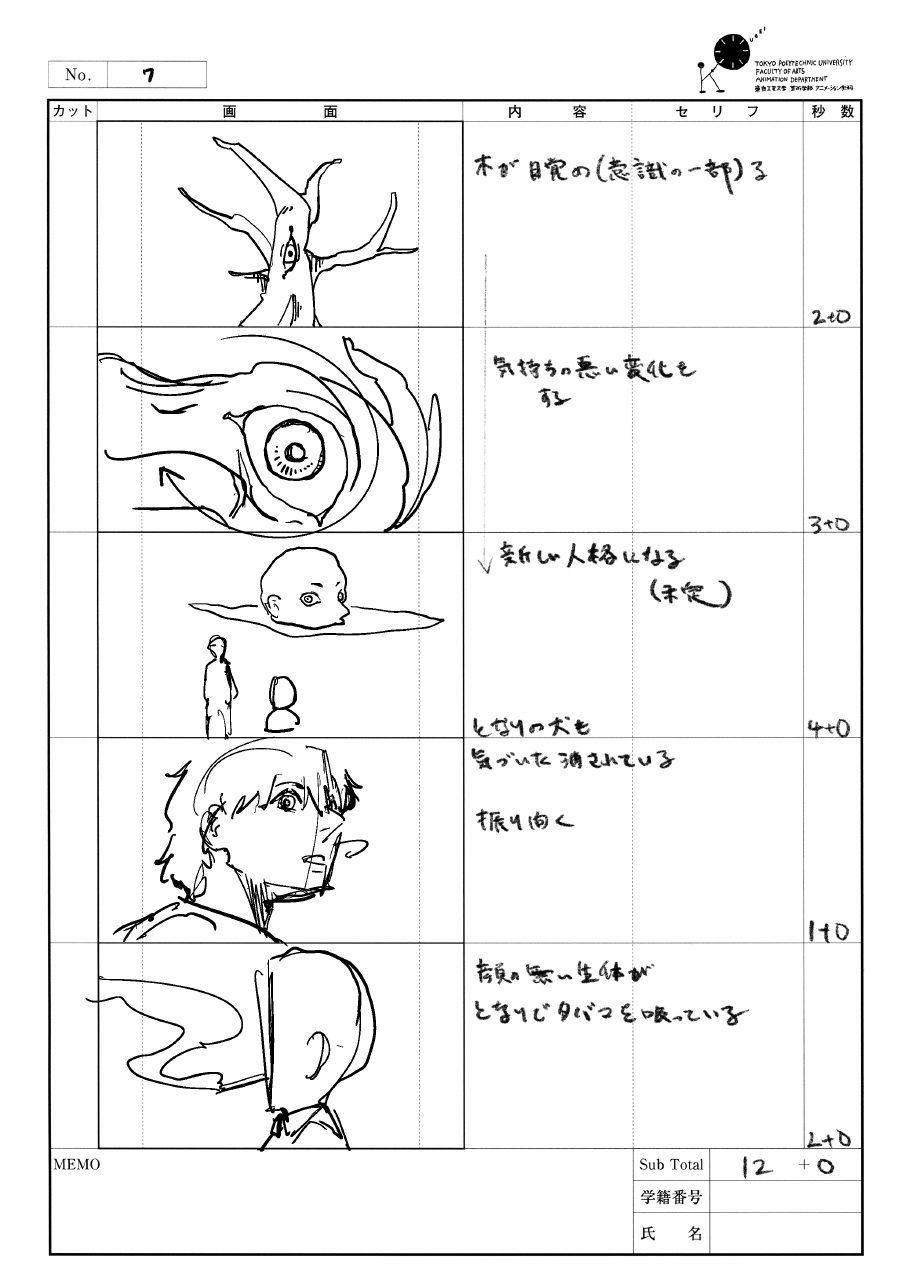
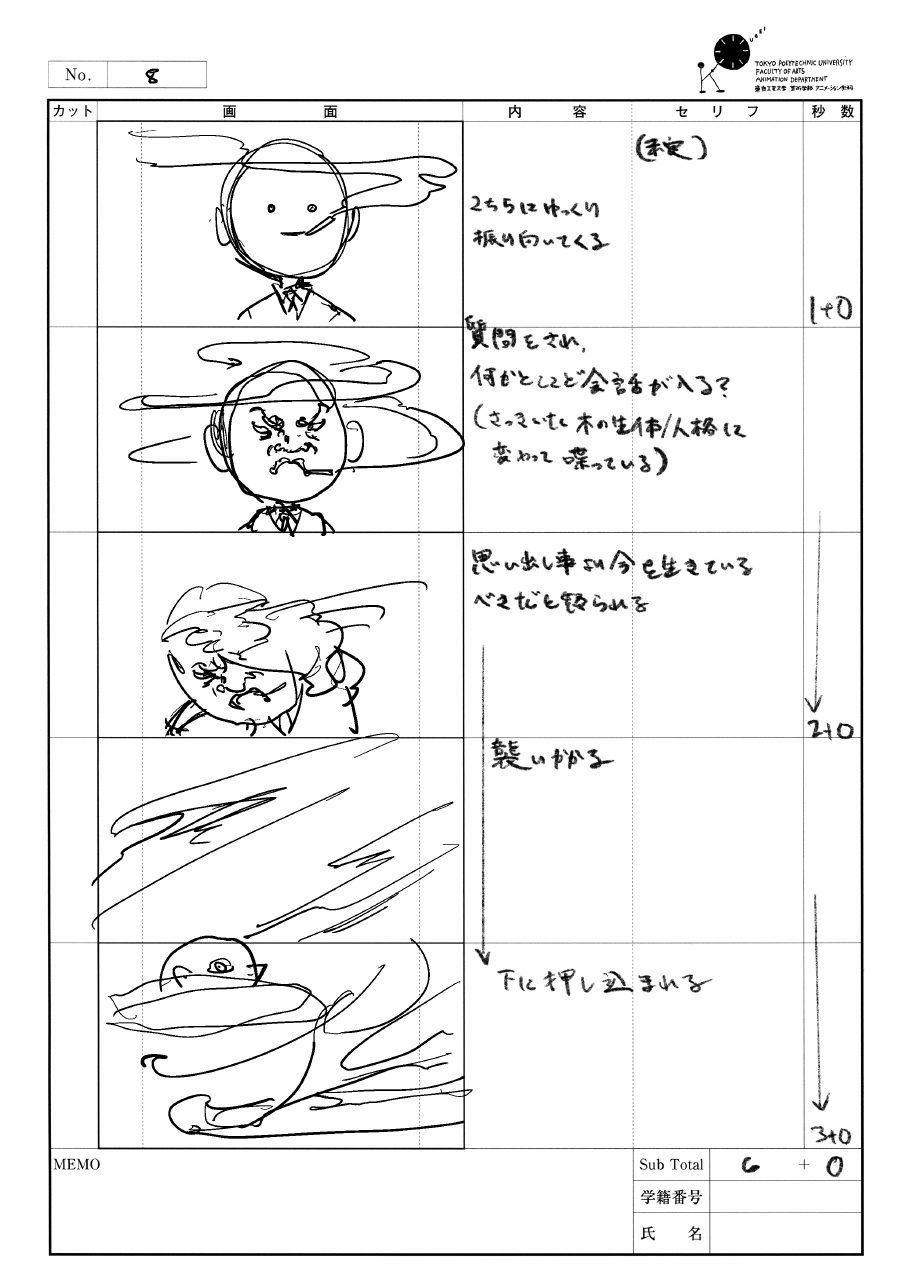
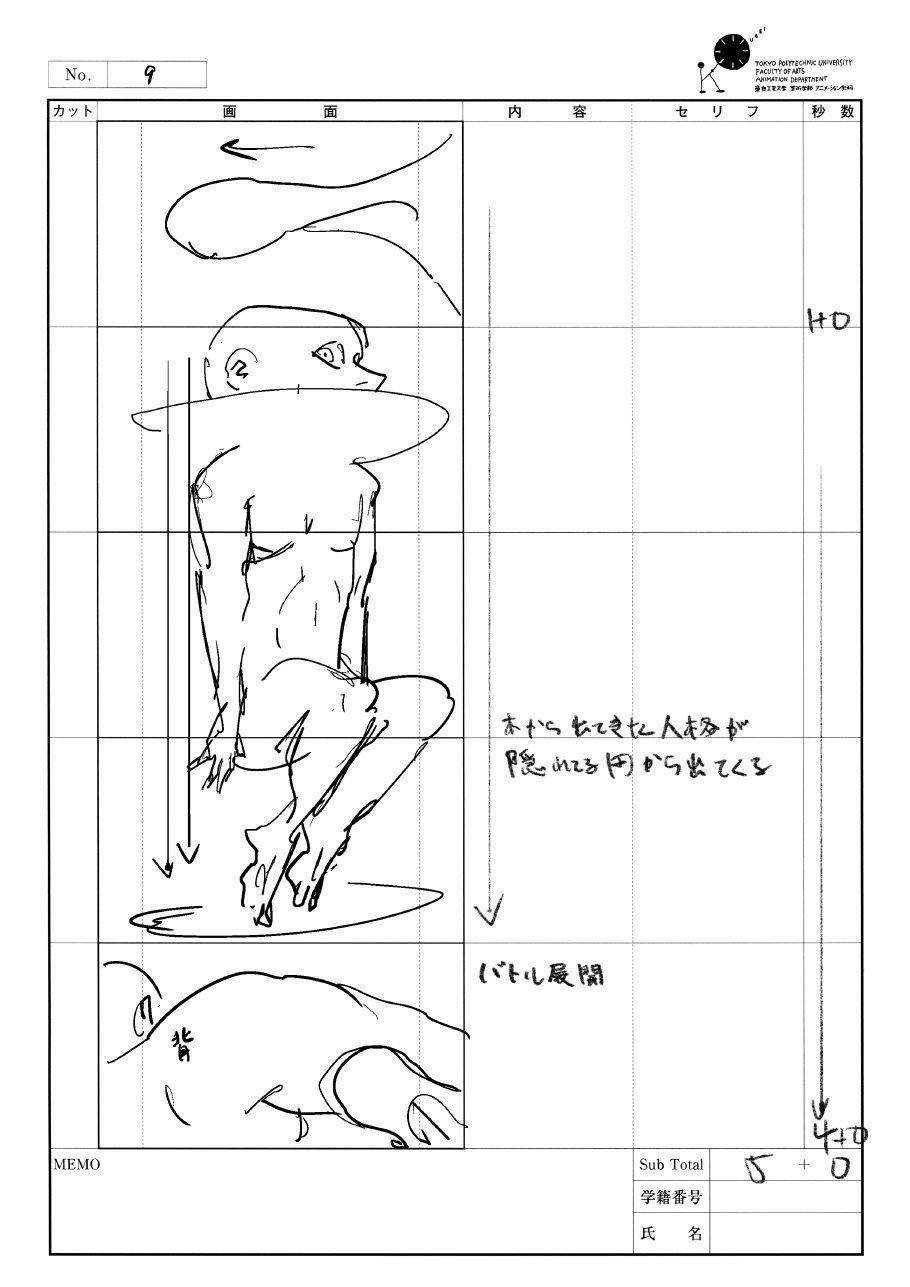
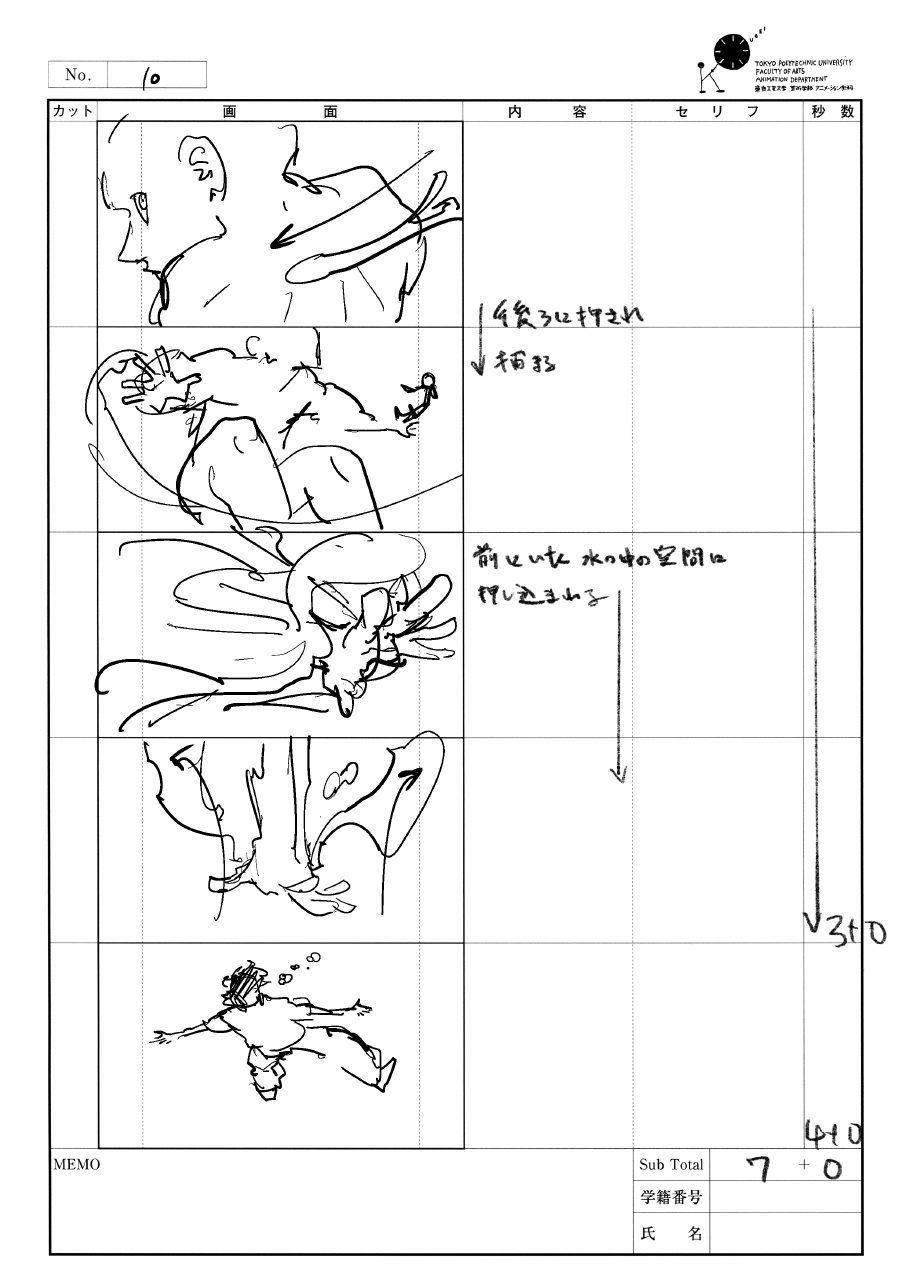
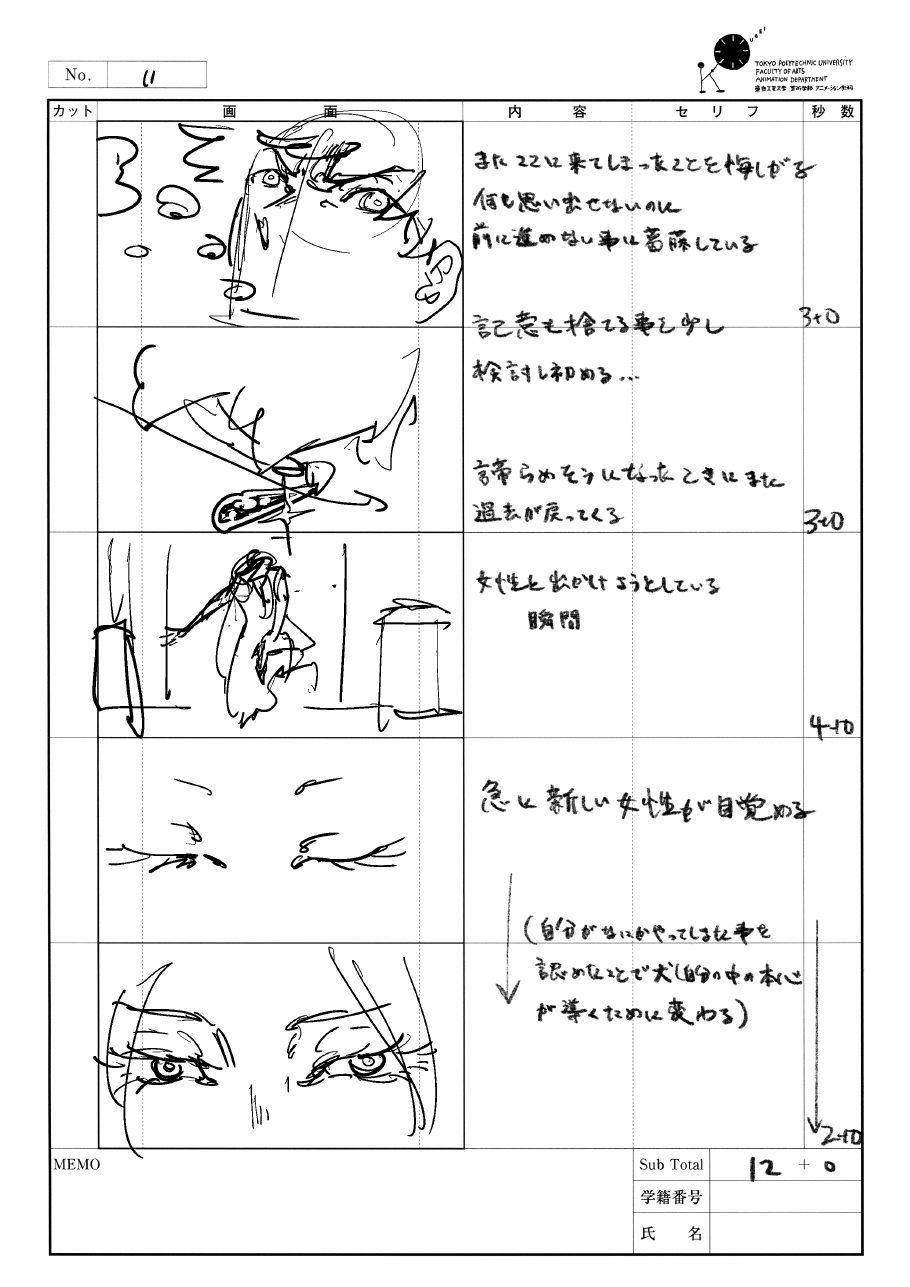
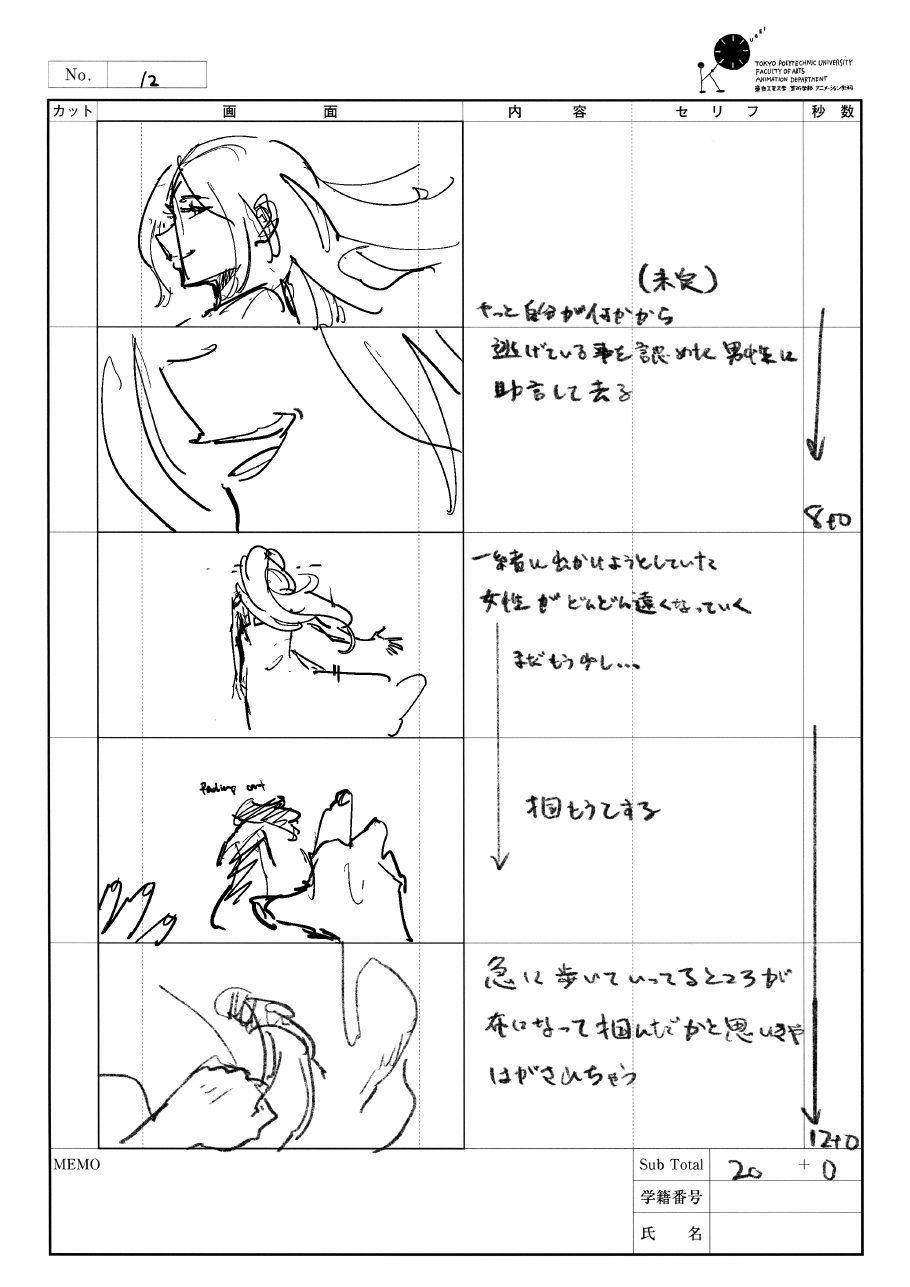
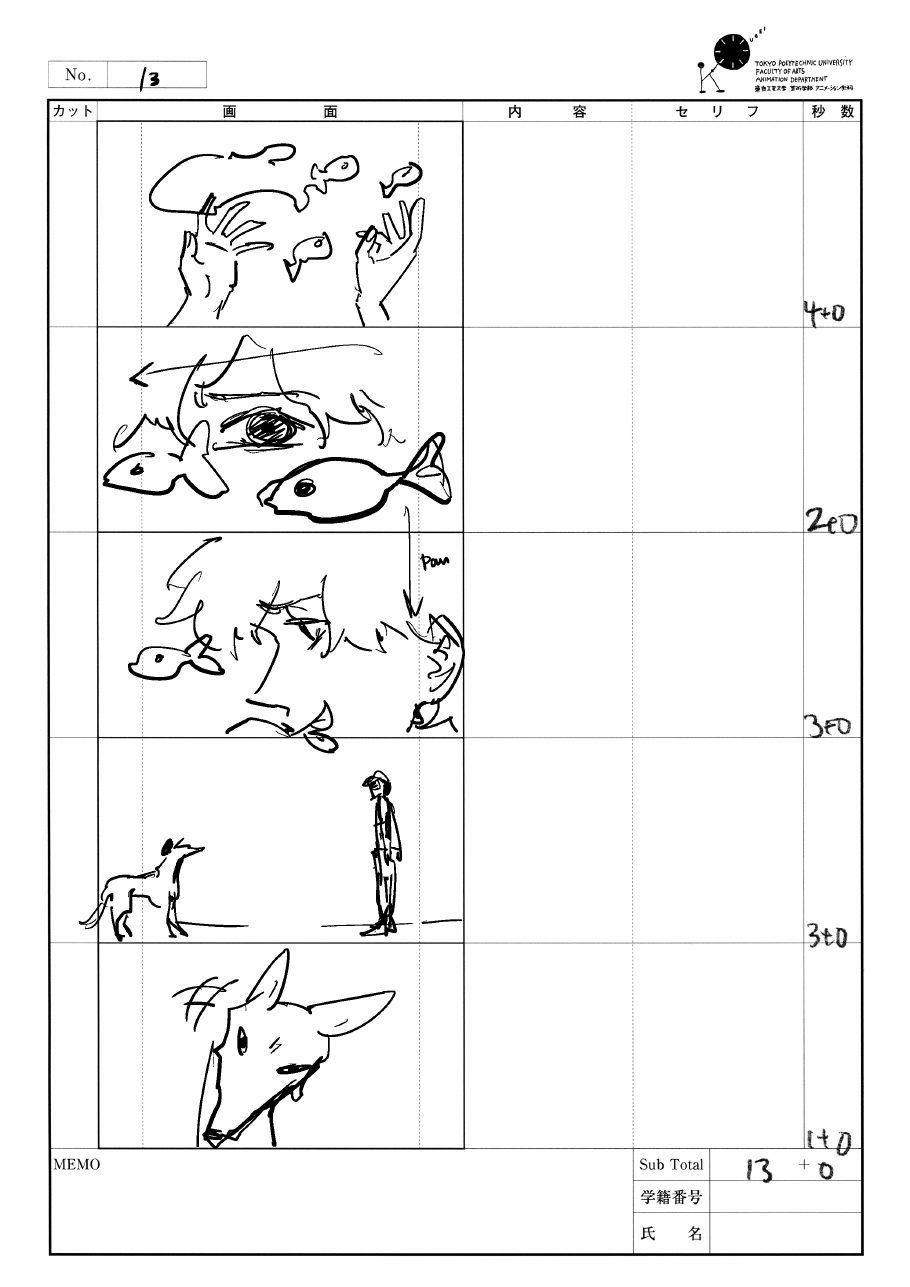
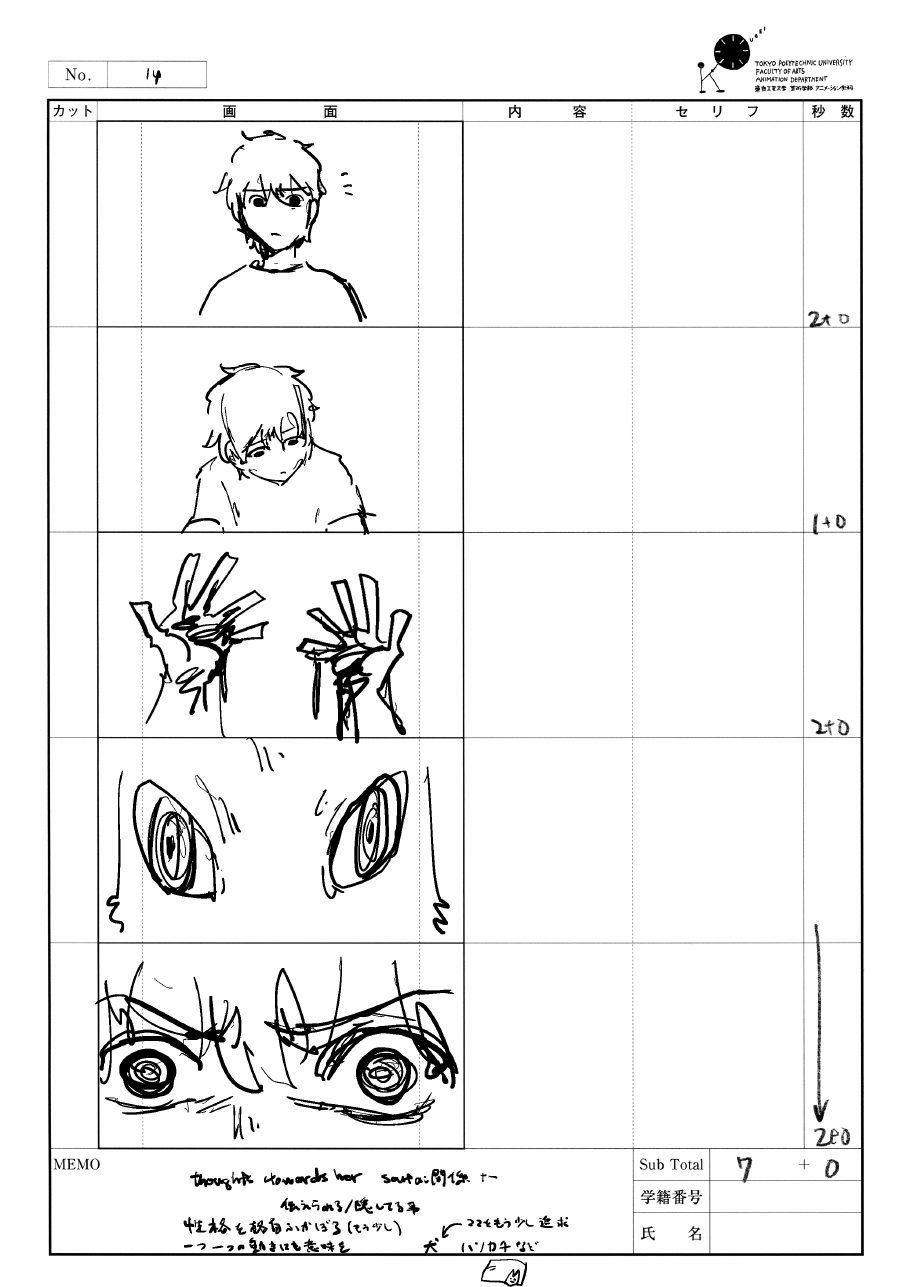
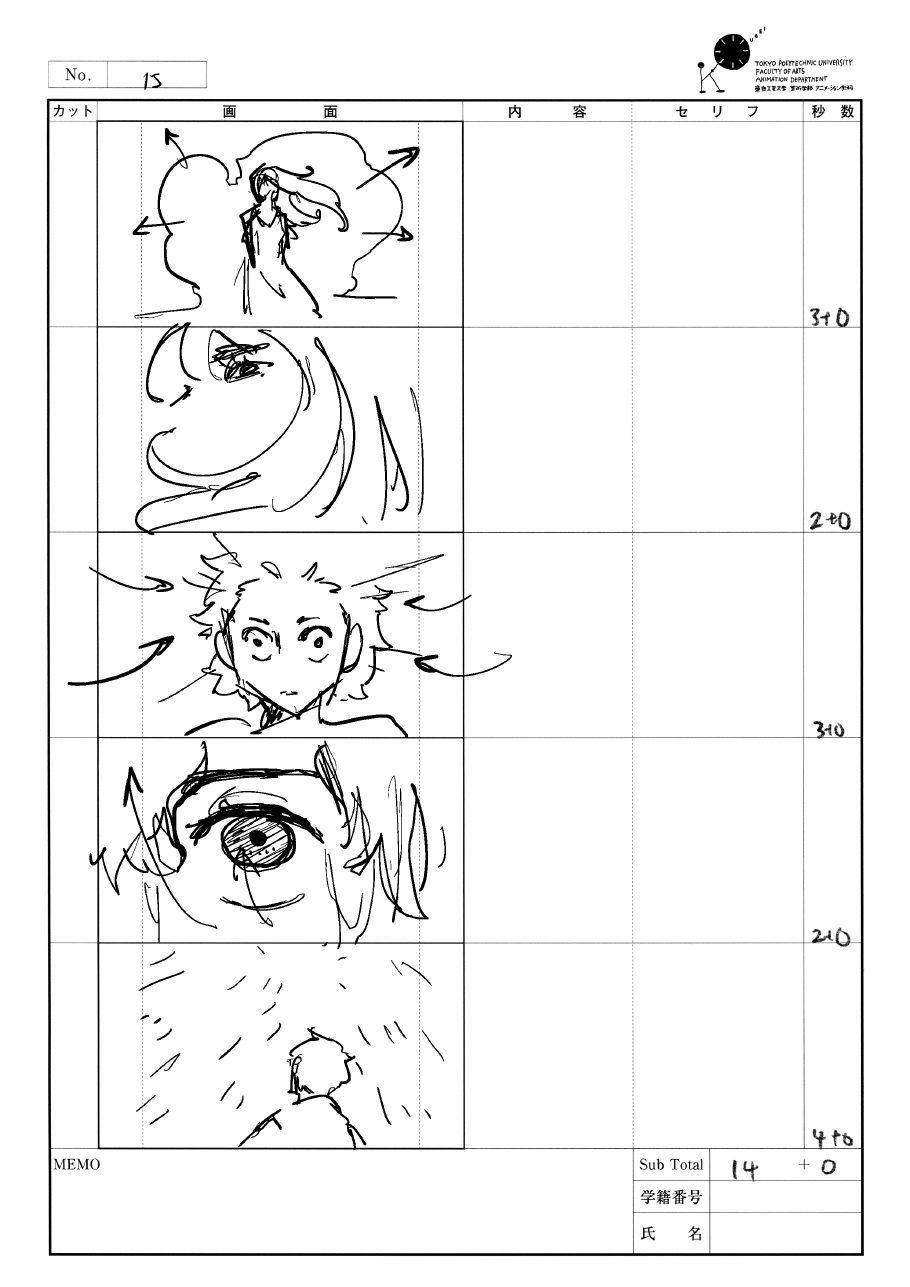
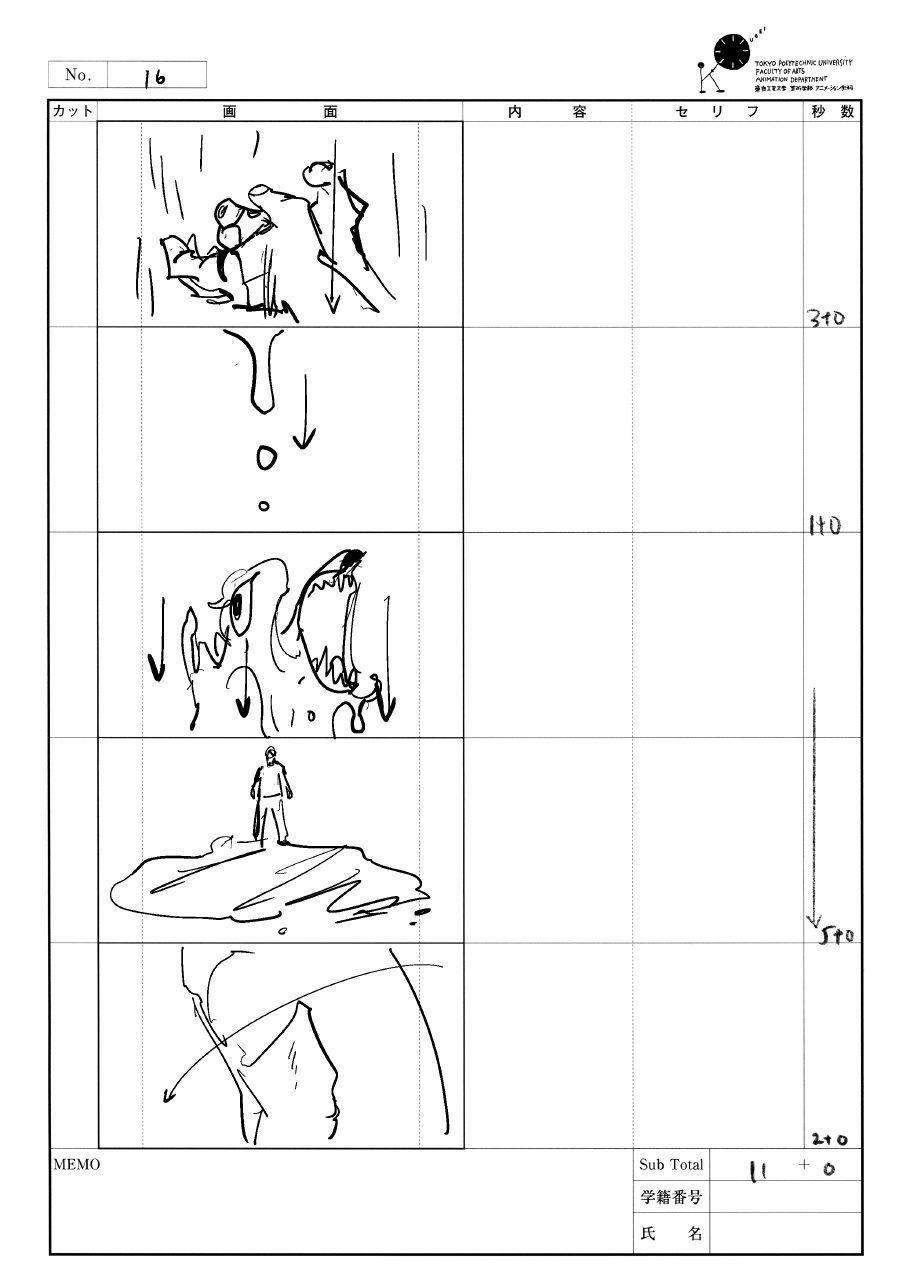
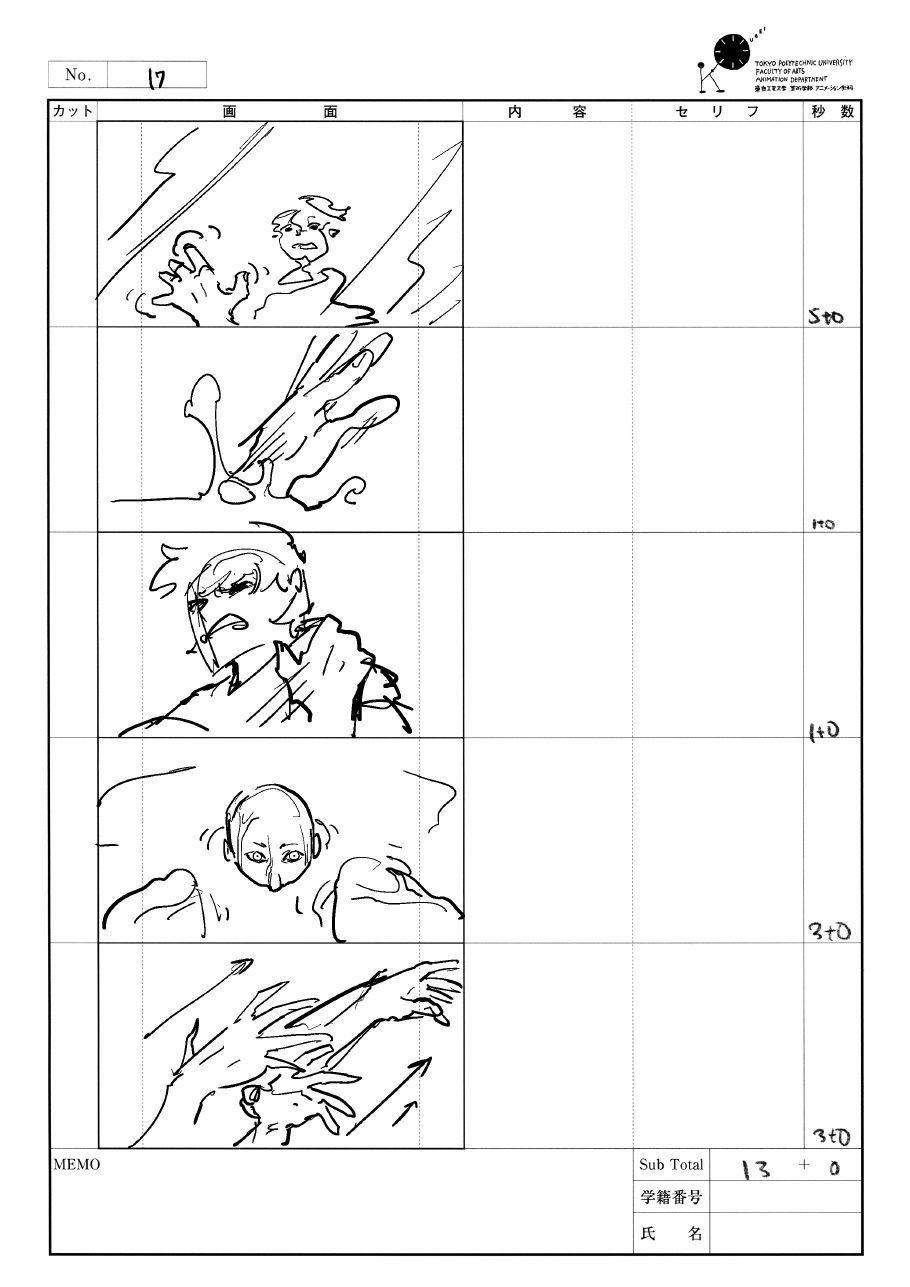
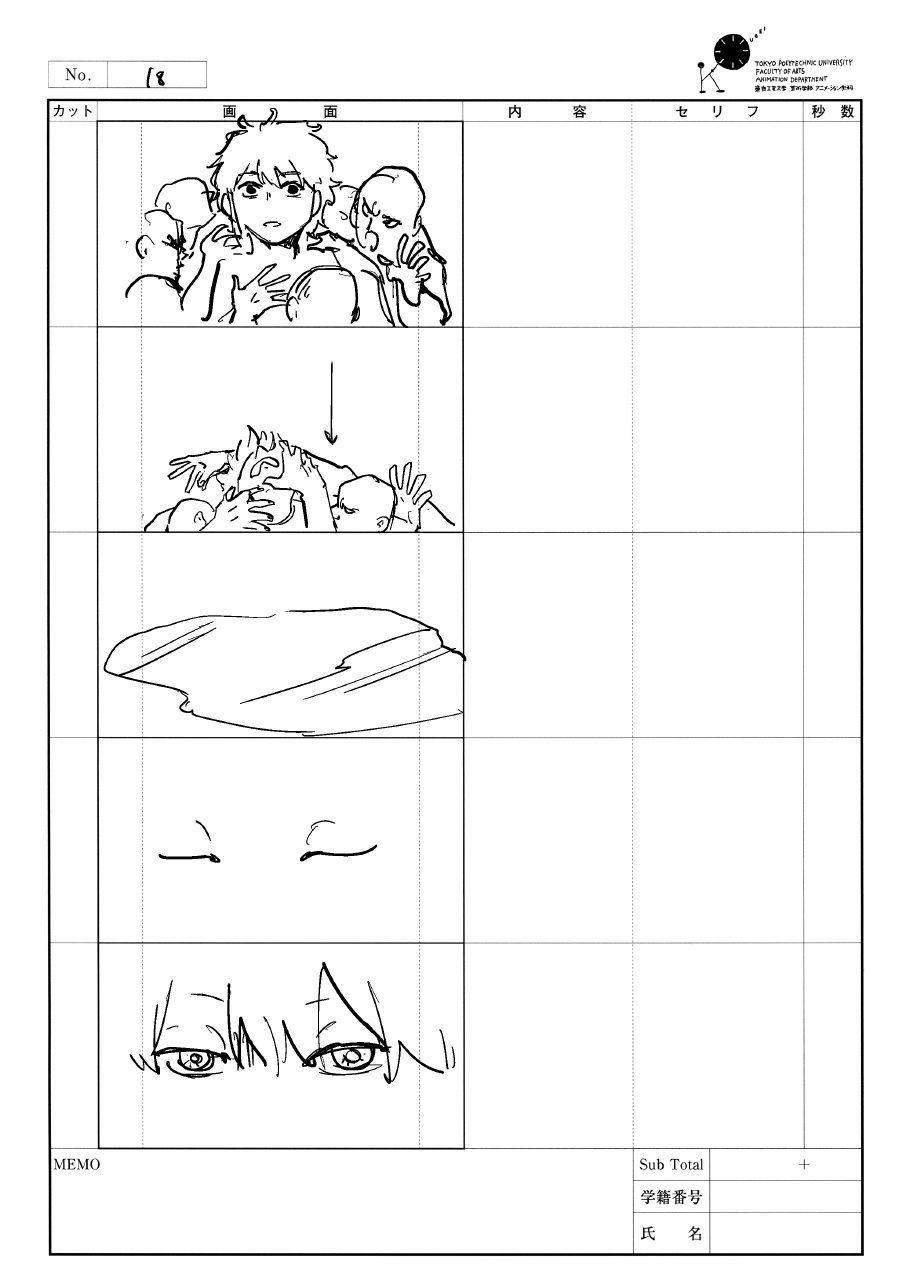
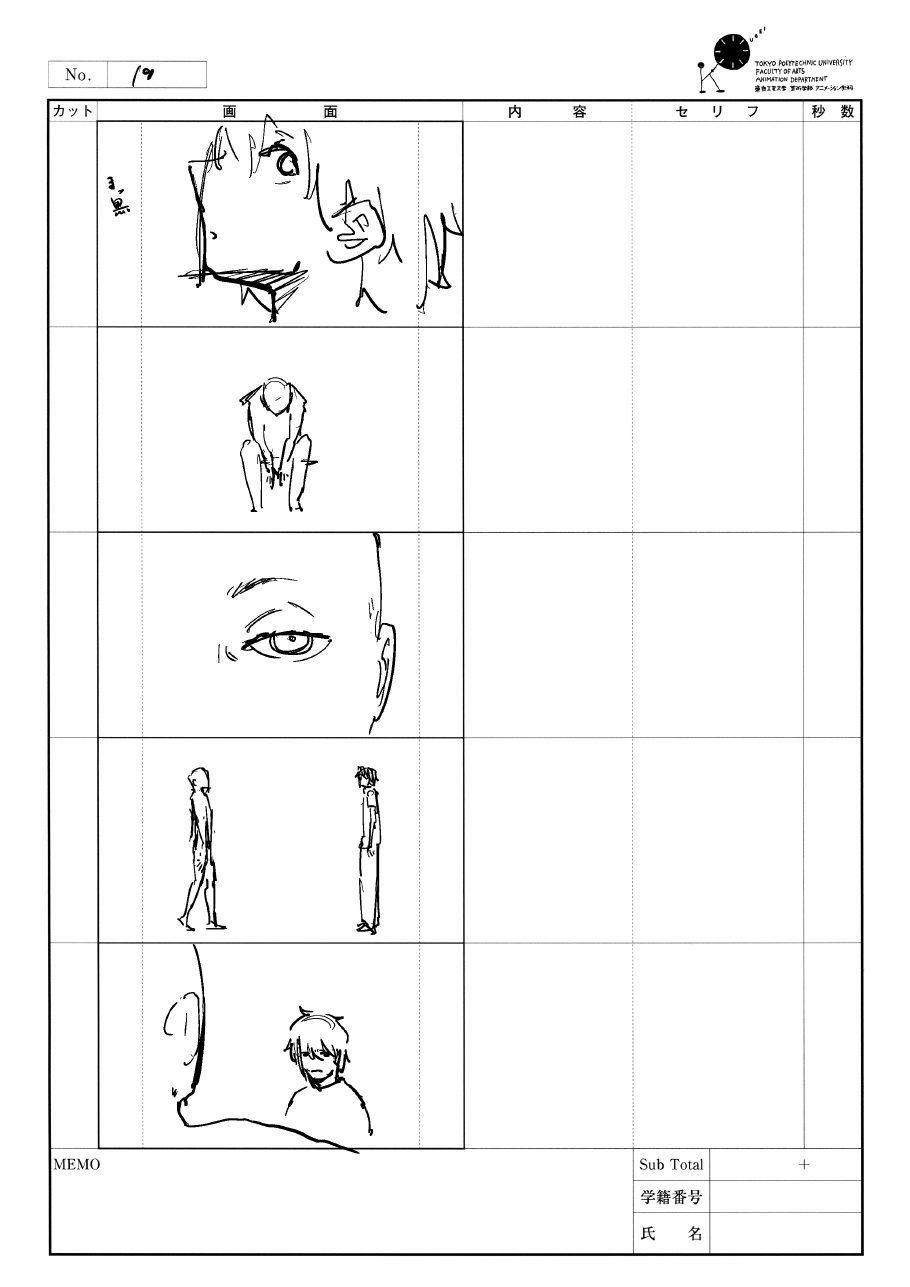
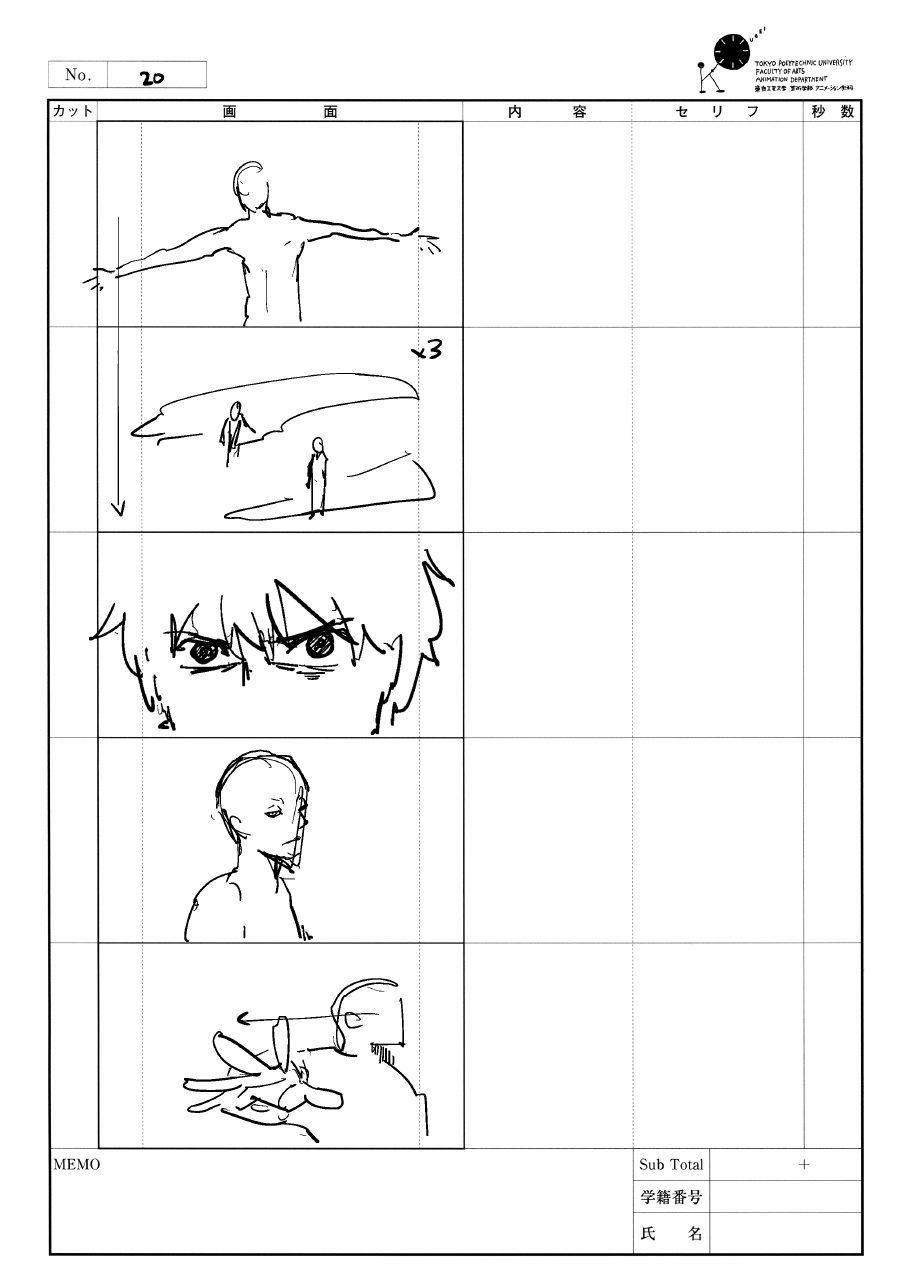
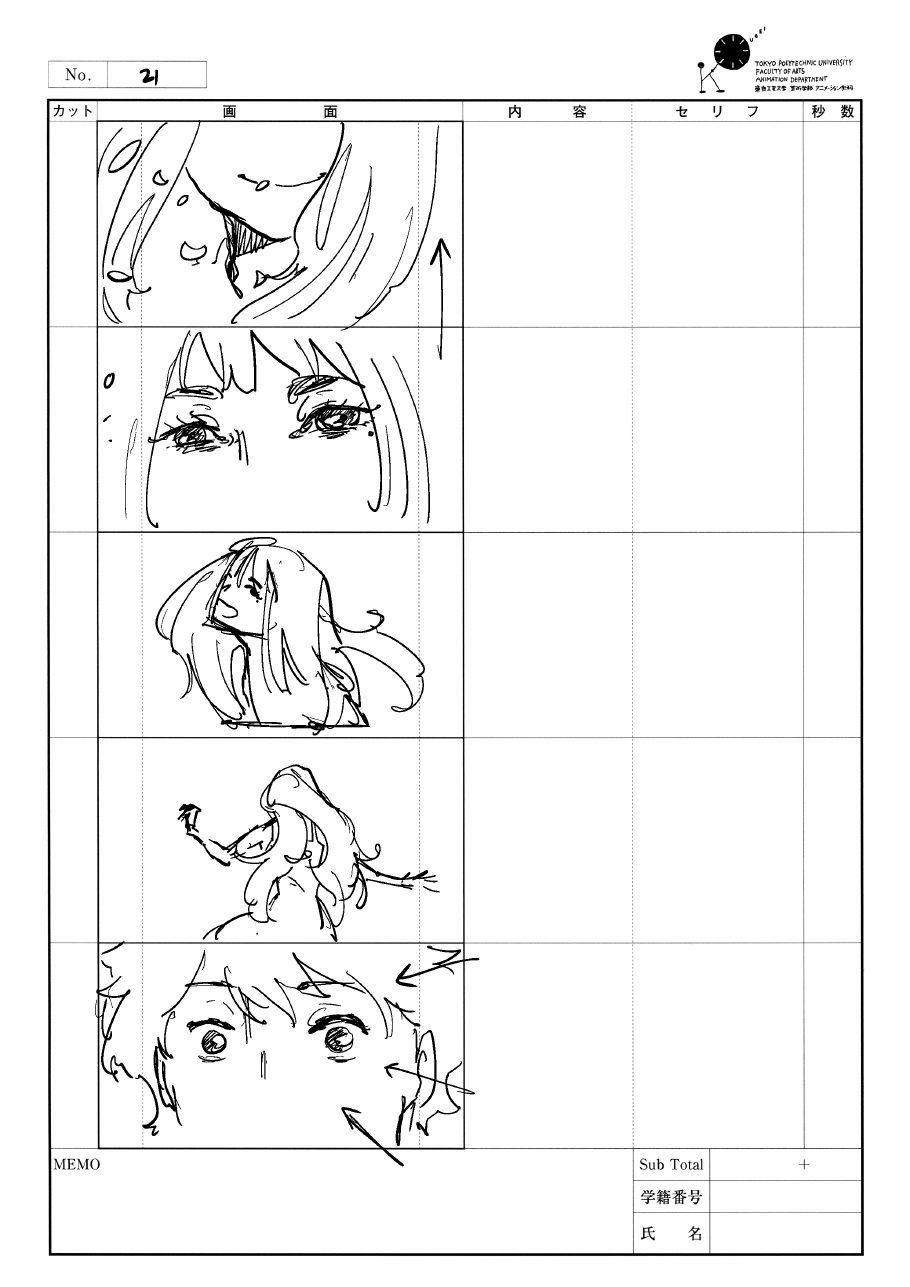
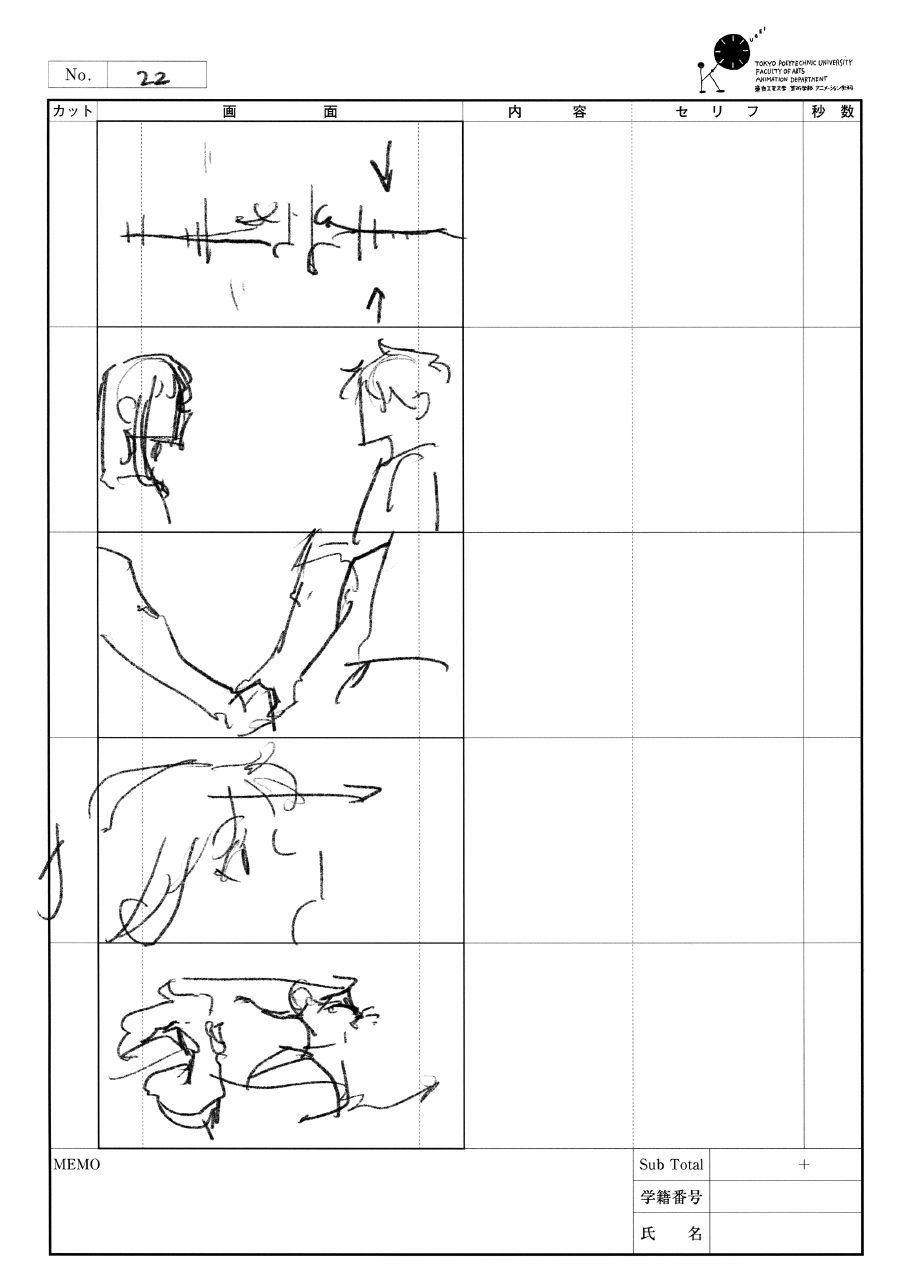
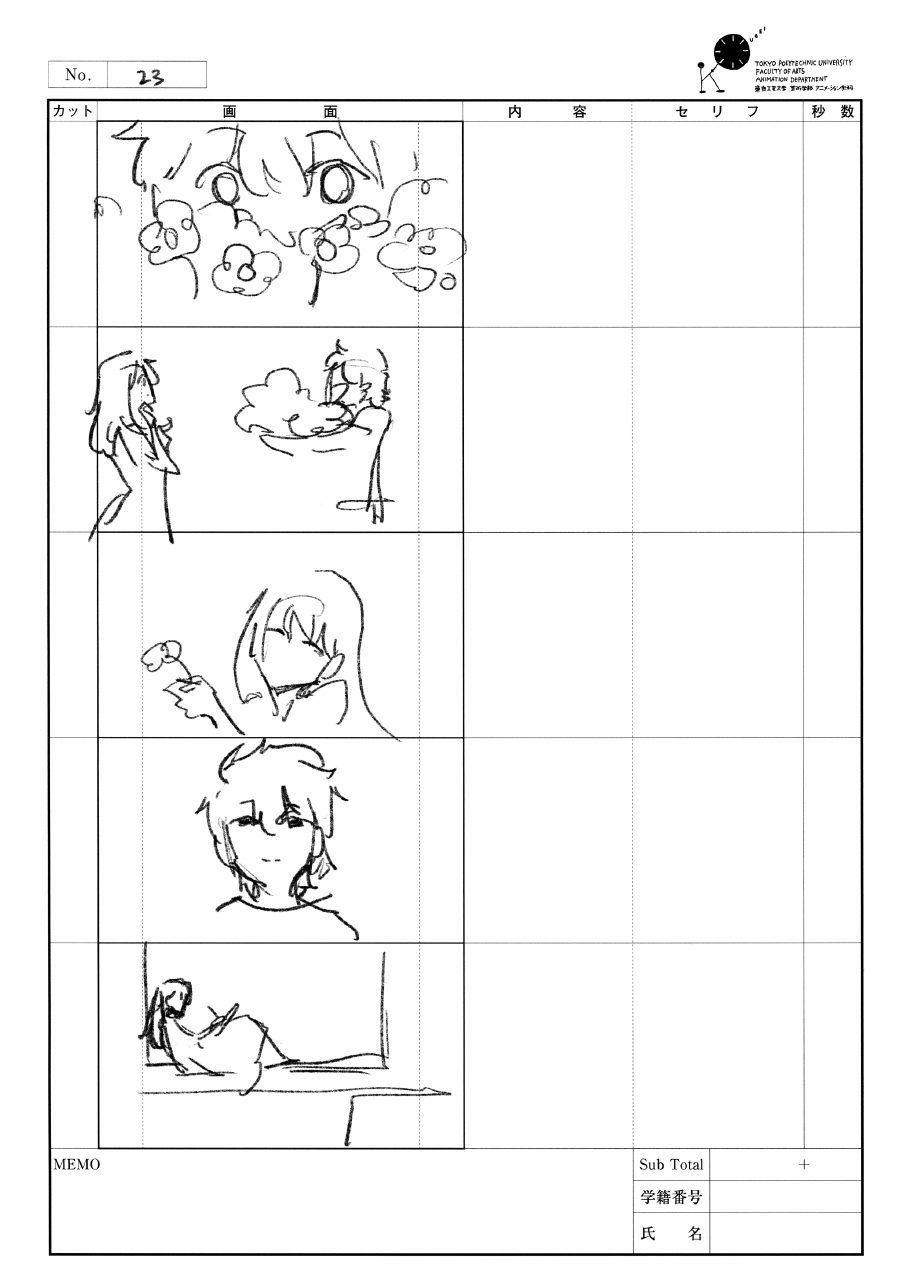
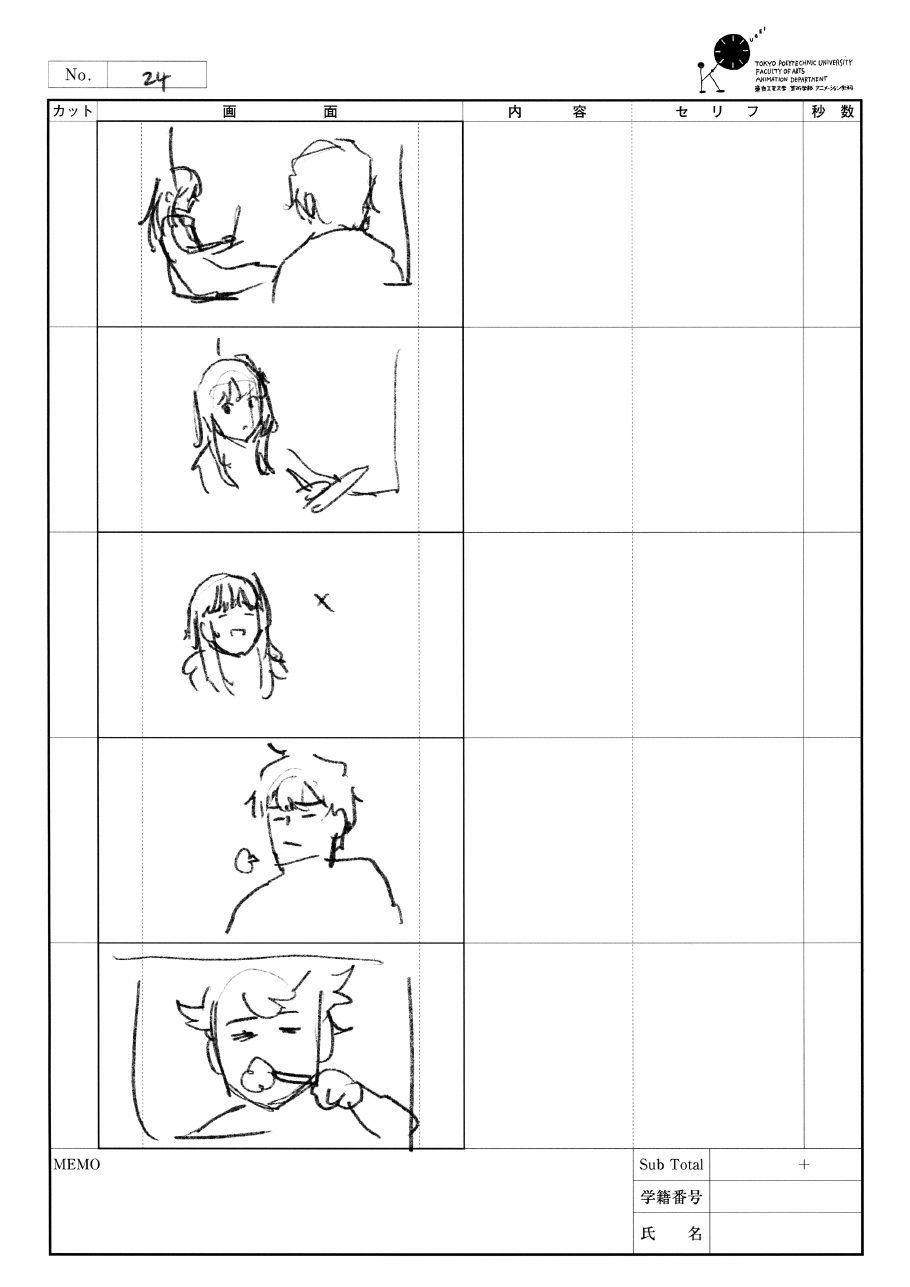
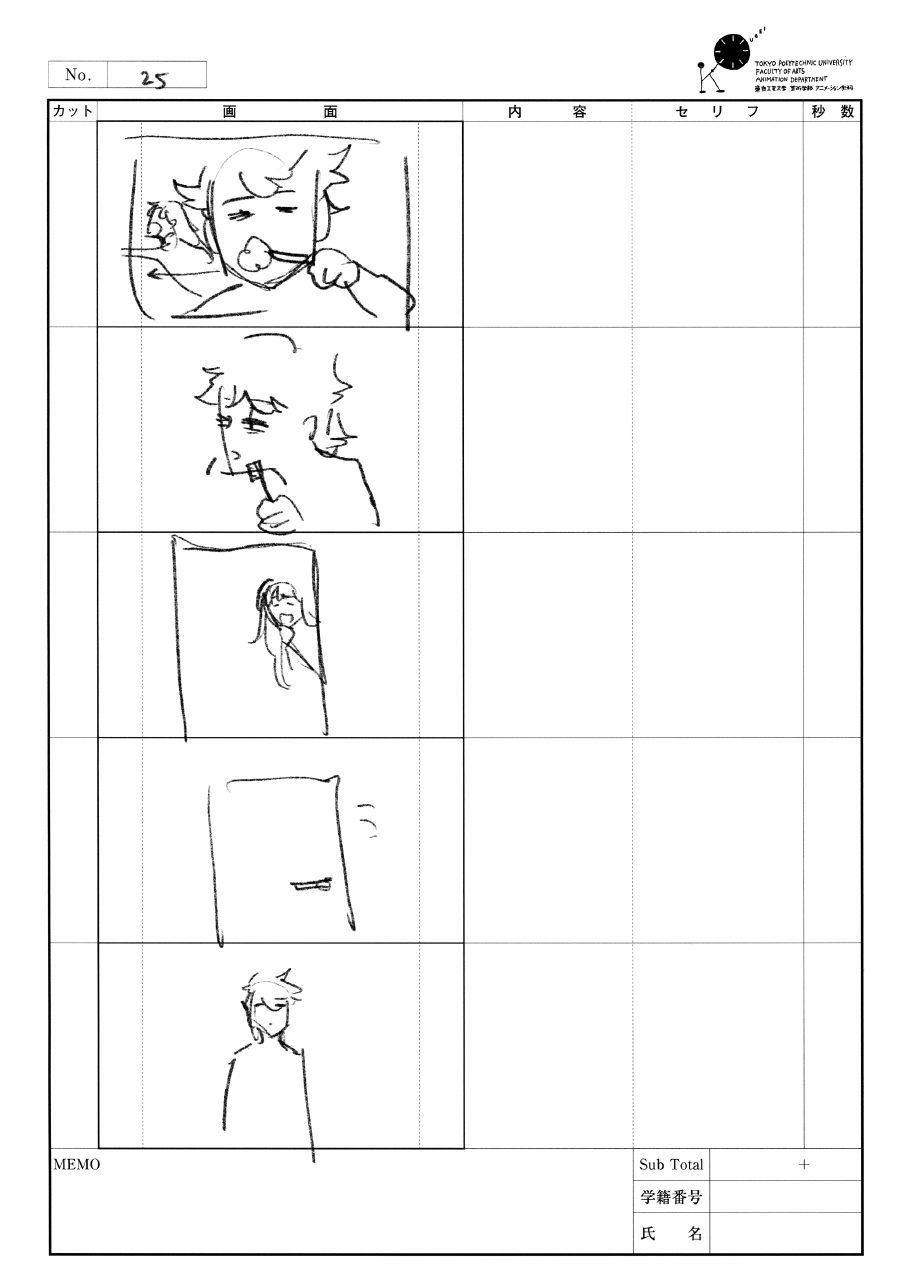
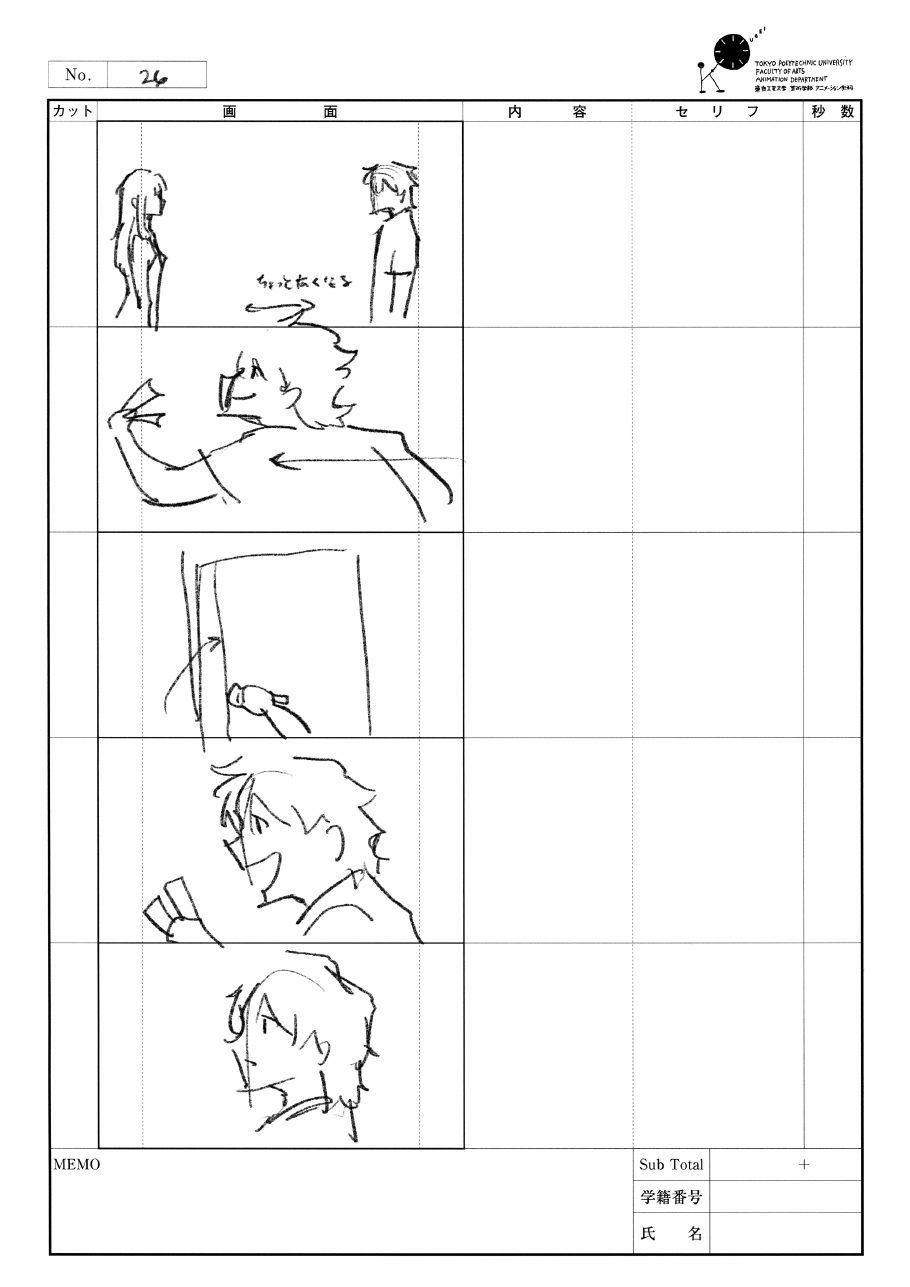
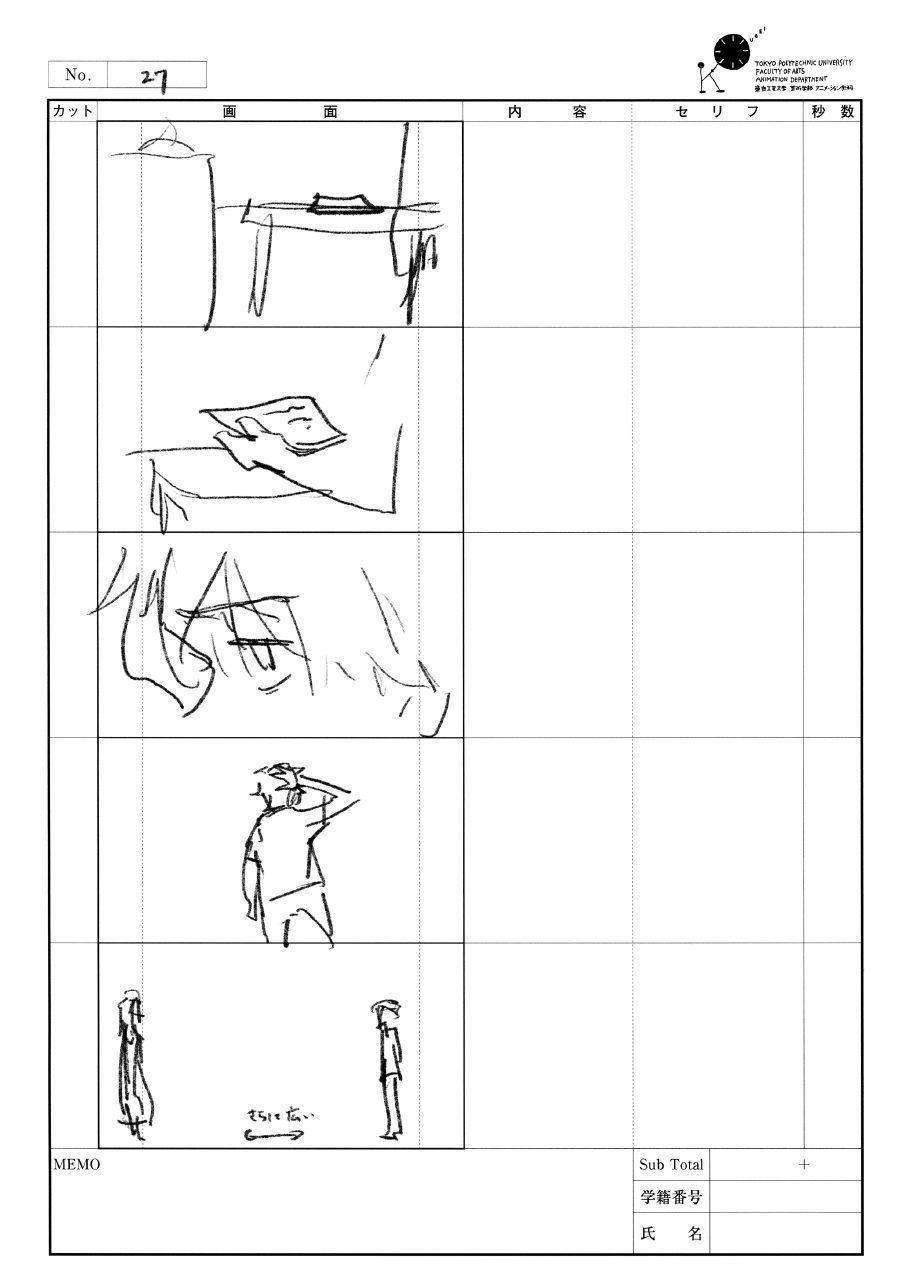
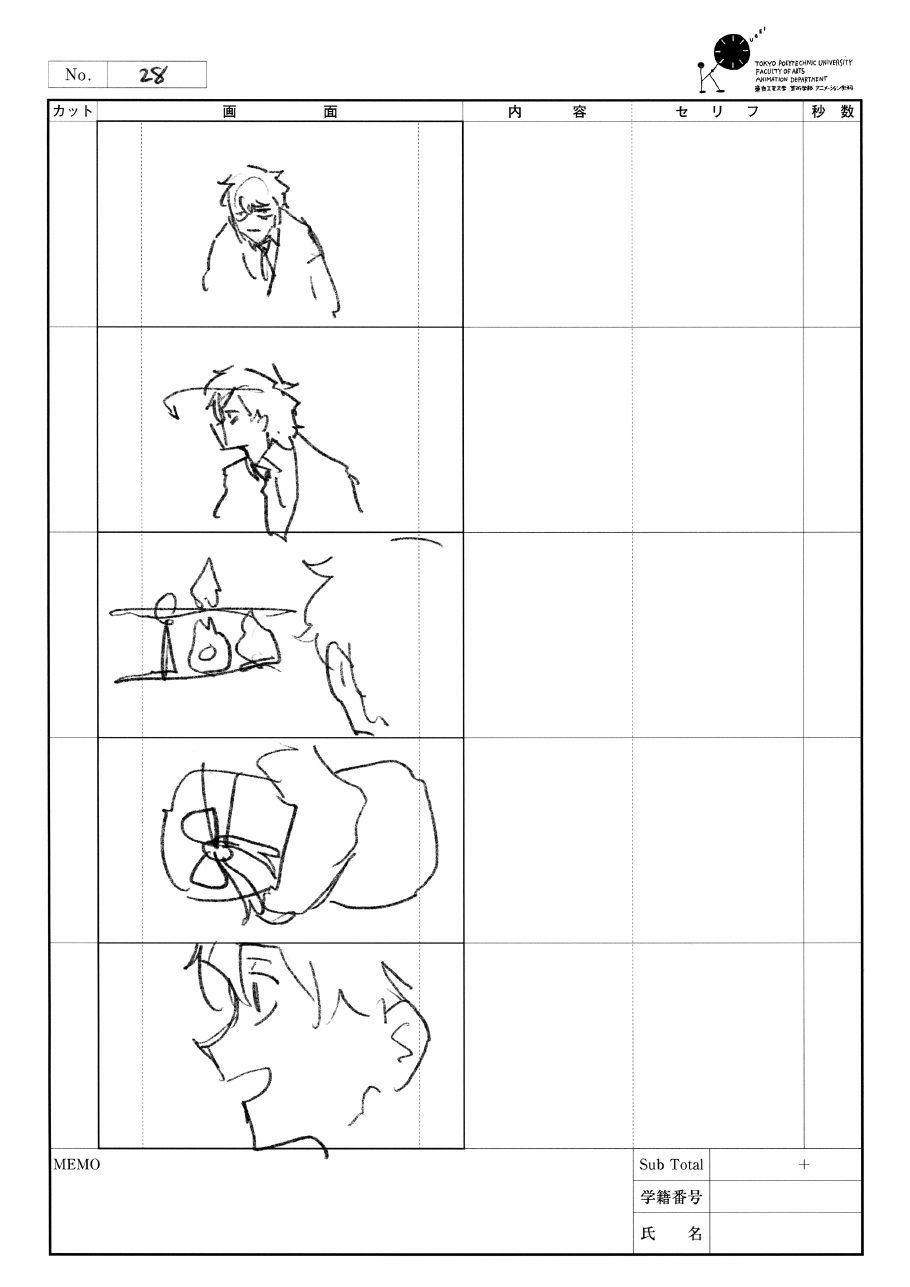
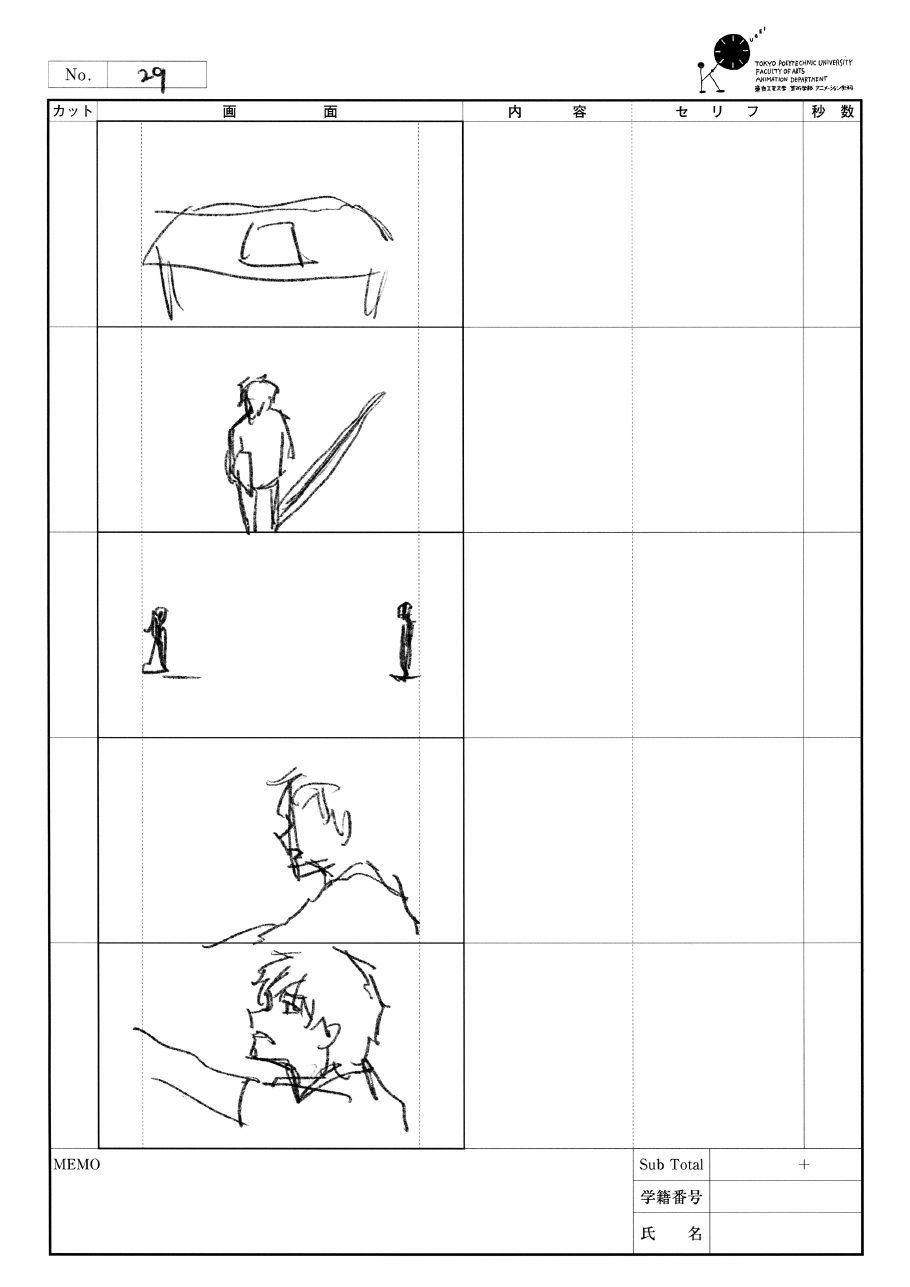
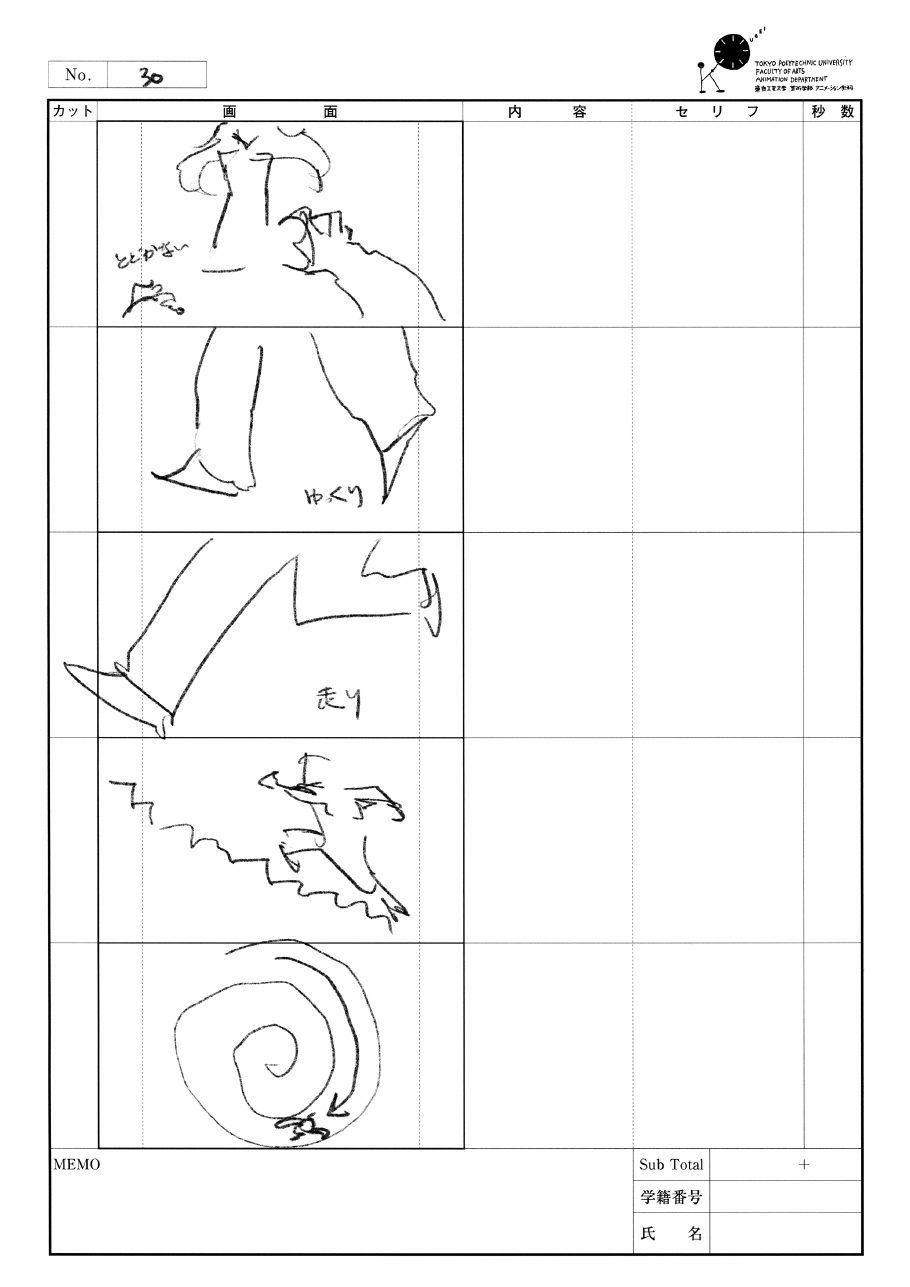
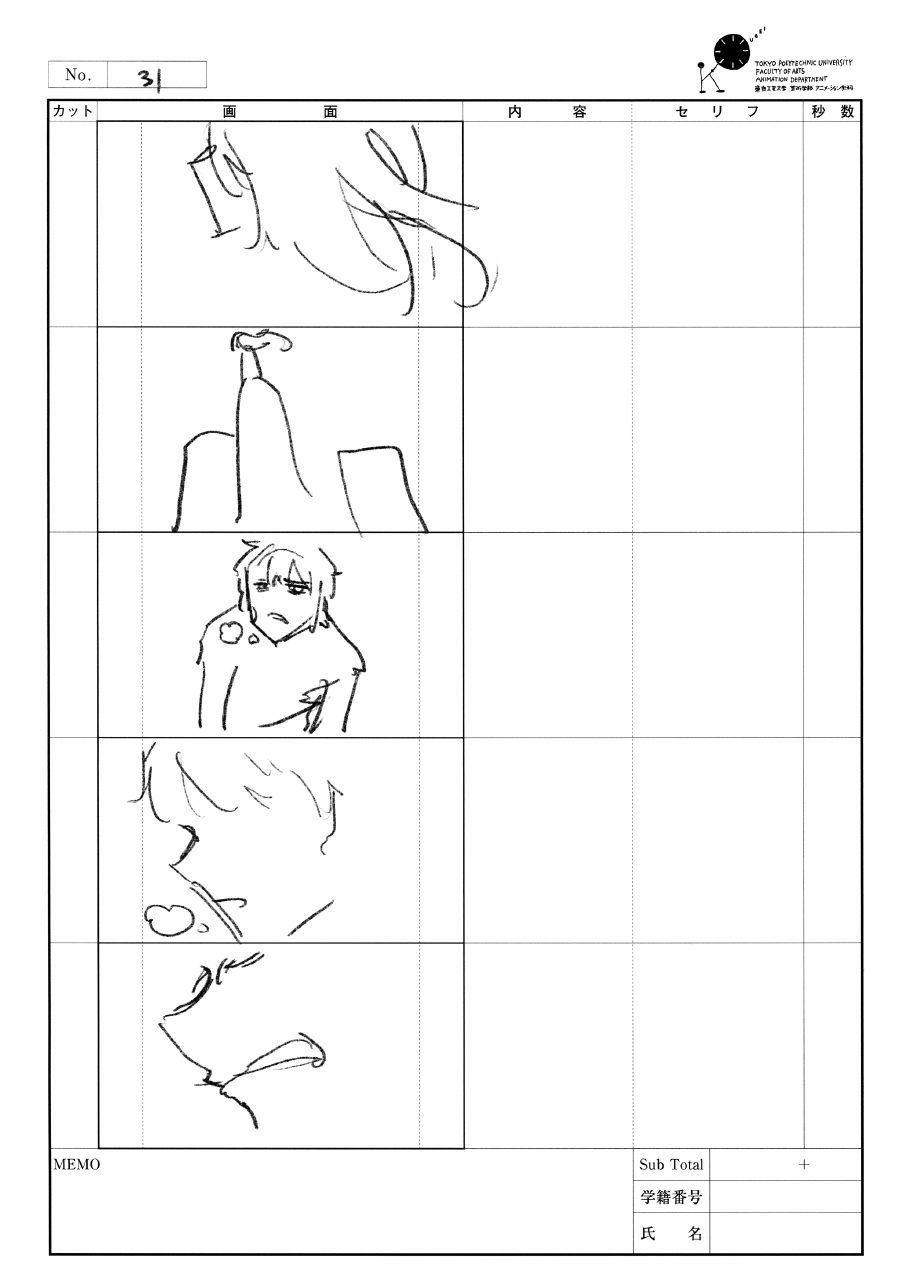
The complete storyboard maps the film’s structure, timing, and visual progression from the opening dream logic to the boy’s return to reality.
These storyboard sheets were used to build the flow of the film before layout and final animation. The first row highlights the opening pages at a slightly larger scale, with the full sequence continuing below in rows of five.
Music credit
Artist
American Football
After North features “I’ll See You When We’re Both Not So Emotional” by American Football. The band’s restrained guitar work and introspective tone aligned closely with the emotional atmosphere I wanted the film to hold.
Rather than treating the song as a decorative addition, I used it as a tonal reference for rhythm, quiet tension, and reflection throughout the piece.